
Courts: Allahabad High Court
Find latest Allahabad High Court judgments, orders and case laws on Income Tax, GST, Company Law, Customs and other tax, business and legal matters.

Allahabad HC Set Aside GST Cancellation Order Due to Lack of Proper Service of Notice
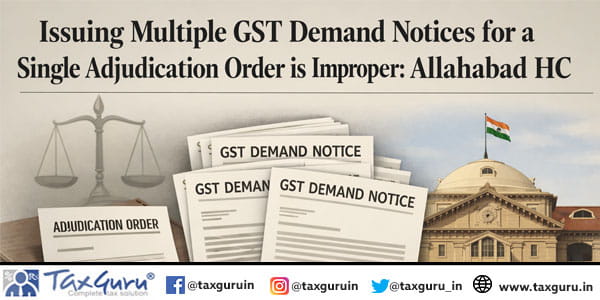
Issuing multiple GST demand notices for a single adjudication order is improper: Allahabad HC
Allahabad HC Quashed GST Penalty Order as Valid Invoice & E-Way Bill Established Ownership
Allahabad HC: Goods Release Ordered as Invoice Value Applies Under Sec. 129(1)(a)
Allahabad HC Sets Aside GST Appellate Order for Ignoring Lab Report Discrepancy
Case Analysis: Validity of Re-assessment on a Deceased Assessee’s Estate
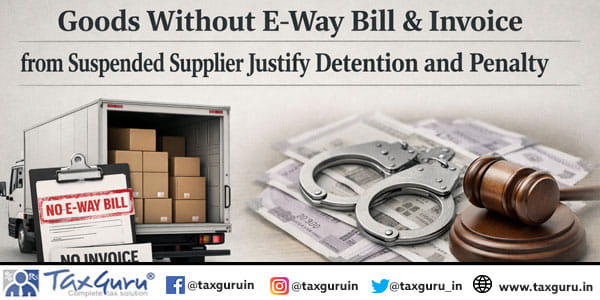
Goods Without E-Way Bill & Invoice from Suspended Supplier Justify Detention and Penalty
SC’s COVID-19 Extension Overrides GST Refund Deadlines: Allahabad HC
Authorities Cannot Limit Namaz Attendance Due to Law & Order Concerns: Allahabad HC
Allahabad HC Set Aside GST Registration Cancellation as No Hearing Was Given

Senior Citizen Protection Law Not Applicable to Property Dispute with Neighbours: Allahabad HC

Court Rejects Bail Due to Alleged Brokerage in Provident Fund Investment Decisions
Allahabad HC Seeks Reply as Alleged ₹20 Lakh Cash Payment Raised Tax Law Issue
Bail Rejected in GST Fake ITC Scam as Court Treats Economic Offence as Serious Threat to Economy
Allahabad High Court judgments and orders cover a wide range of constitutional, taxation, commercial and other legal disputes. This TaxGuru page brings together Allahabad High Court case laws on Income Tax, GST, Customs, Company Law, insolvency, recovery, penalties, reassessment, writ proceedings and other matters relevant to taxpayers, businesses and professionals. Chartered Accountants, advocates, tax professionals, companies and other readers can use this page to research important rulings and understand the legal principles considered by the Court. The collection includes recent as well as significant earlier Allahabad High Court decisions published on TaxGuru. Case summaries and analysis help readers identify the issues, findings and implications of important judgments while providing access to developments in tax and commercial jurisprudence before the Allahabad High Court.

