
Courts: All CESTAT
Read latest CESTAT judgments and orders on Customs, Central Excise and Service Tax, including classification, valuation, CENVAT credit, refunds and demands.

CESTAT Allows CENVAT Credit on Deposit Insurance Premium to Bank

CESTAT Allows CENVAT Credit on Executive Jet Hire & Aviation-Related Input Services
Classification Dispute No Ground to Deny Provisional Release for Re-Export: CESTAT Chandigarh

No Extended Limitation Where Service Tax Liability Was Legally Debatable: CESTAT Chennai

CENVAT Credit on Factory Repair Services & GTA Input Service Allowed: CESTAT Delhi
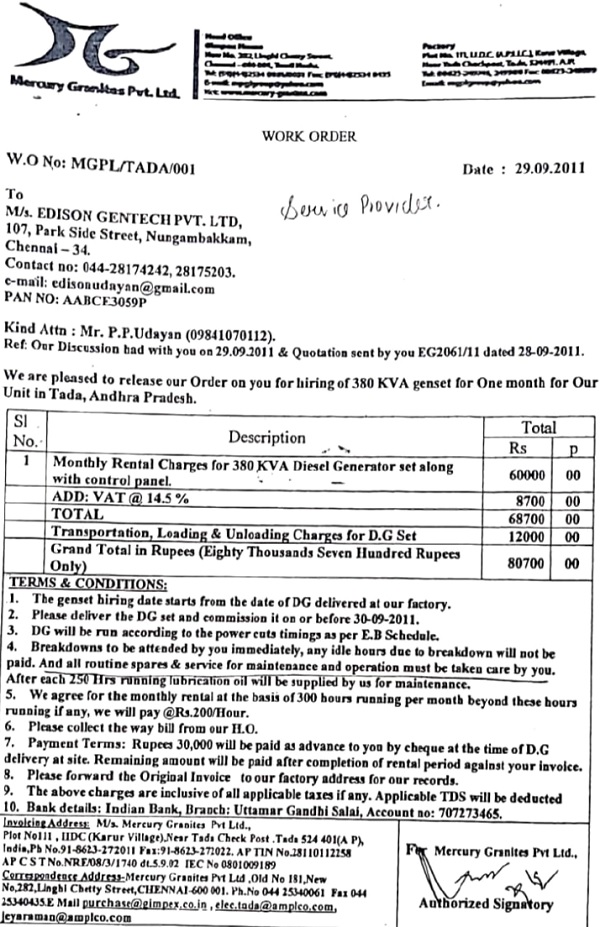
Service Tax Demand on DG Set Hiring Quashed as Transfer of Right to Use Goods: CESTAT Chennai
Service Tax Demand on Common CENVAT Credit & Abatement Quashed: CESTAT Chennai
Refund Allowed as Unjust Enrichment Not Established for Reversed CENVAT Credit: CESTAT Delhi

IGST Demand Set Aside as Extended Limitation Not Applicable: CESTAT Kolkata

CBLR Violations Not Established, Licence Revocation Set Aside: CESTAT Mumbai
Customs Broker Licence Revocation and Penalties Set Aside for Lack of CBLR Violations: CESTAT Mumbai
Differential Customs Duty Demand Set Aside as Self-Assessment Remained Unchallenged: CESTAT Kolkata
Section 114A Penalty Deleted After Reclassification Failed: CESTAT Kolkata
No Service Tax on Construction of Police Buildings: CESTAT Chennai
All CESTAT brings together judgments and orders of the Customs, Excise and Service Tax Appellate Tribunal from benches across India. Decisions cover Customs, Central Excise and Service Tax disputes involving classification, valuation, exemptions, CENVAT credit, refunds, demands, limitation, penalties, confiscation and other indirect-tax matters. Importers, exporters, manufacturers, businesses, advocates and indirect-tax professionals can use this consolidated TaxGuru archive to research CESTAT precedents across benches. Individual CESTAT bench categories are also available for bench-specific decisions.

