
Courts: All CESTAT
Read latest CESTAT judgments and orders on Customs, Central Excise and Service Tax, including classification, valuation, CENVAT credit, refunds and demands.
CESTAT Allows CENVAT Credit on Factory Construction, Canteen, Insurance & Air Travel Services
Loading and Unloading Labour Supply Not Taxable as Manpower Recruitment Service: CESTAT Chandigarh
Reimbursable Withholding Tax Not Taxable as Service Consideration: CESTAT Chandigarh

Identifying Buyers for Foreign Client Is Export of Service, Not Intermediary: CESTAT Allahabad
Sales Promotion Services to Foreign Principal Are Not Intermediary Services: CESTAT Mumbai
CESTAT Allows Refund of Unutilized CENVAT Credit, Holds Payment Processing Services Are Export Services
CESTAT Allows Customs & Excise Duty Exemption to EOU on Inputs Used for Mobile Parts
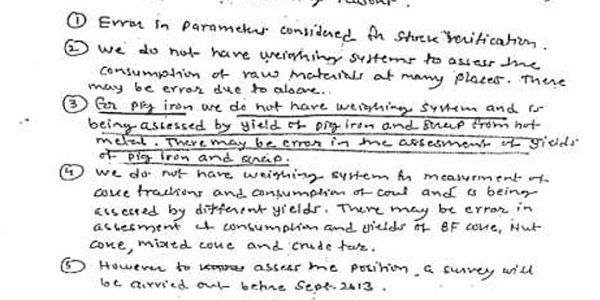
CESTAT Quashes Excise Demand, Says Stock Shortage Alone Can’t Prove Clandestine Removal
CESTAT Allows VCES Benefit, Quashes Time-Barred Rejection Notices
CESTAT Allows Customs Refund, Says Missing Challan No Ground to Reject Claim
CESTAT Sets Aside Customs Demand as Extended Limitation Not Invocable in Classification Dispute

CESTAT Allows Service Tax Refund on Port and Technical Testing Services for Exports

Aluminium Formwork Classifiable Under CTH 76109010, CESTAT Kolkata Allows Exemption
CESTAT Allows Customs Exemption, Classifies Aluminium Formwork Under CTH 76109090
All CESTAT brings together judgments and orders of the Customs, Excise and Service Tax Appellate Tribunal from benches across India. Decisions cover Customs, Central Excise and Service Tax disputes involving classification, valuation, exemptions, CENVAT credit, refunds, demands, limitation, penalties, confiscation and other indirect-tax matters. Importers, exporters, manufacturers, businesses, advocates and indirect-tax professionals can use this consolidated TaxGuru archive to research CESTAT precedents across benches. Individual CESTAT bench categories are also available for bench-specific decisions.

