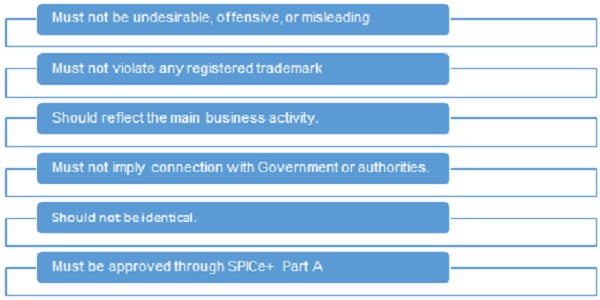
The ROC Chhattisgarh held that repeated return of official letters marked Not Known proved non-compliance with Section 12(1) of the Companies Act. The company and its directors were penalised under Section 12(8) for failing to maintain a functional registered office.
The Enforcement Directorate levied penalties after finding misrepresentation in FDI receipts and improper reporting of foreign inward remittances. The adjudicating authority held that the contraventions were substantial and systemic under FEMA, 1999.
Budget 2026 introduces the new Income Tax Act, 2025 effective 1 April 2026. The existing law will continue for FY 2025-26, with major structural and compliance reforms ahead.
Courts are moving away from treating absence of DIN as automatically voiding tax notices. If the document is system-generated and traceable, it may still be legally valid.
The Court ruled that reopening based solely on an audit objection amounts to change of opinion if the issue was previously examined. Without fresh tangible material, reassessment proceedings are unsustainable.
Company registration gives a business separate legal identity and limited liability protection. It is essential to operate legally and access government schemes and formal benefits.
NCLAT Delhi held that termination of contract not triggered by the insolvency of Corporate Debtor and therefore not barred by moratorium under section 14 of the Insolvency and Bankruptcy Code [IBC]. Accordingly, appeal held as devoid of merit.
Draft amendment requires HFCs to follow responsible business conduct norms applicable to NBFCs for loan recovery and recovery agents. Existing Fair Practices Code provisions are set to be replaced.
The draft amendment introduces detailed norms on recovery agents, borrower treatment, and grievance redressal. Harsh practices and coercive recovery methods are expressly prohibited.
The AO recorded reasons for escapement without receiving confirmation from the Sub-Registrar. ITAT ruled that absence of tangible evidence vitiated reassessment, making the subsequent Section 263 revision unsustainable.