The Tribunal observed that identity, creditworthiness, and genuineness were proven through confirmations, returns, and banking trails, and the AO failed to conduct enquiries under Sections 133(6) or 131. It also held that the ₹6.45 lakh loan difference belonged to past years, making the entire ₹22.45 lakh addition unsustainable.
Gujarat High Court held that reopening of assessment under section 148 of the Income Tax Act is mere change of opinion since there is no failure on part of assessee as to full and true disclosure. Accordingly, reassessment is liable to be quashed and set aside.
The Delhi High Court rejected an application seeking condonation of a nine-month delay in filing a revised ITR, holding that no sufficient cause or genuine hardship was established. The original ITR had been filed on time, and the delay was deemed excessive.
The Delhi High Court allowed a company to file a GST appeal despite delay, citing the serious illness of a key director. The Court emphasized procedural fairness while the validity of related notifications remains pending before the Supreme Court.
The Tribunal ruled that CSR expenses donated to recognized charitable institutions satisfy the conditions of Section 80G. It emphasized that statutory CSR obligations do not interfere with 80G eligibility and directed allowance of the deduction.
The Tribunal found that statutory procedures for issuing demand, possession, and sale notices were properly followed by the bank. It observed that the borrowers provided no valuation report or evidence supporting their claim of undervaluation. The auction was therefore sustained as legally valid.
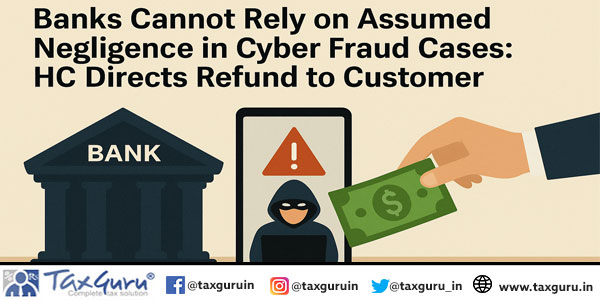
The court held that Ombudsman’s finding of customer negligence was unsustainable and directed bank to refund disputed amount. The ruling clarifies that refund may be ordered when adjudication fails to consider material records.
The Court held that a Section 148 notice issued by the Jurisdictional Assessing Officer is invalid where the faceless system applies. It quashed the reassessment proceedings and confirmed that such notices must be issued only by the Faceless Assessing Officer.
The Court remanded an ex-parte GST demand order after the petitioner could not respond due to a parent’s serious illness. This case underlines that unavoidable circumstances can merit reconsideration of tax proceedings.
The Tribunal held that the penalty was invalid because the notice failed to specify whether the charge was concealment or furnishing inaccurate particulars. The ruling confirms that ambiguity in penalty notices under section 271(1)(c) is fatal.