
Month: December 2025
2,753 articlesIncome Tax
Income Tax
Section 263 Checkmated – ITAT Says PCIT Cannot Reopen Issues Already Before CIT(A)
Goods and Services Tax
Goods and Services Tax
Comprehensive Guidelines on GST for Corporate Guarantees Between Related Parties
Corporate Law
Corporate Law
Should India Move Towards a Debtor-In-Possession Model Like US? A Comparative Analysis
Goods and Services Tax
Goods and Services Tax
Important Clarification on Disclosure of ITC Reclaimed in FY 24–25 of FY 24-25
Income Tax
Income Tax
Reassessment Quashed for Issuing Section 148 Notice Through Wrong Authority
Income Tax
Income Tax
The Culinary Conundrum: Tax Deduction for Food or Business Meal Expenses: A RARE Practical Analysis
CA, CS, CMA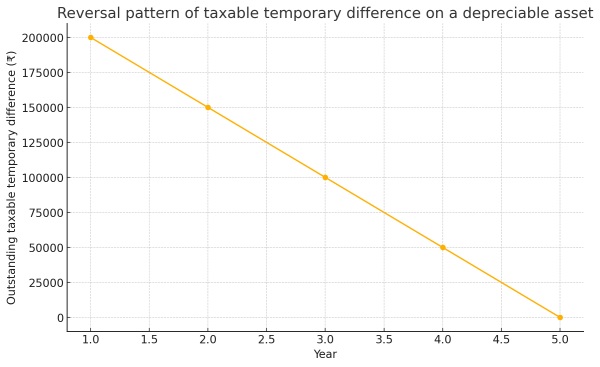
CA, CS, CMA
Accounting for Deferred Tax Assets and Liabilities: Ind AS 12 and IAS 12
Income Tax
Income Tax
15% ‘Misdirected’ Discount on NAV Shares, Rs. 8.70 Cr Addition Deleted
Goods and Services Tax
Goods and Services Tax
SC decisions on Maintainability of Writ Where Statutory Remedy Is Available
Income Tax
Income Tax

