The Tribunal annulled the reassessment after finding that both the notice and order were issued to a company that had been struck off. It held the proceedings invalid and allowed the appeal.
Analyses how multiple ITAT rulings extend the enhanced ₹25-lakh exemption to earlier years, treating CBDT’s notification as a beneficial and clarificatory reform.
The Tribunal held that passing assessment orders after the statutory one-month period prescribed under Section 144C(13) is invalid. The assessee’s appeals were allowed, and both orders were set aside.
The ITAT concluded that non-compliance with faceless procedure under Section 151A renders Section 148 notices invalid, nullifying both substantive and protective additions.
Courts held that allegations of large-scale fraudulent ITC require factual adjudication and are unsuitable for writ jurisdiction, directing the petitioner to pursue the statutory appeal. The Supreme Court refused intervention but extended time to file the appeal.
The Tribunal held that additions must be supported by actual evidence, not mere surmise from third-party statements. The assessee’s invoices and valuer reports disproved alleged cash payments, leading to complete deletion of additions.
State Bank of India Vs Pallabh Bhowmick & Ors (Supreme Court of India) In this case, the Supreme Court upheld the High Court’s finding that a series of online transactions carried out on 18.10.2021 from the customer’s bank account were entirely unauthorized and fraudulent, and that no negligence on the part of the account holder […]
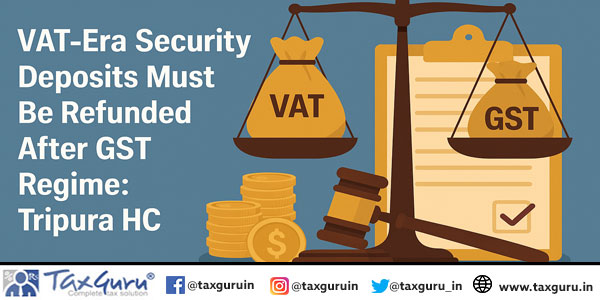
The Court held that penalty proceedings issued six to nine years late under the repealed VAT law were unreasonable and without jurisdiction. It ruled that powers must be exercised within a reasonable timeframe and quashed all notices and orders.
The Tribunal held that exemption under section 11 cannot be denied solely for delayed uploading of Form 10B, treating the lapse as procedural and directing allowance of exemption.
Explains the strict consequences for failing to meet CSR spending and transfer obligations under Section 135. Highlights how penalties are imposed and the key compliance takeaway for companies.