The issue concerned tariff classification of a rotor assembly, but the application was withdrawn before any ruling was issued. The authority permitted withdrawal and disposed of the case without examining the merits.
The court held that appeals filed beyond the three-month period plus one-month condonable window under Section 107 cannot be entertained. The ruling reinforces strict adherence to limitation under the CGST Act.
Following the High Court’s ruling on limitation, the Supreme Court dismissed the SLP as withdrawn. The decision leaves intact the finding that delayed GST appeals are not maintainable.
The court ruled that a petitioner cannot re-agitate merits after appeal and writ remedies fail on limitation. Statutory timelines under GST were strictly enforced.
The ruling held that reassessment proceedings initiated after the permissible period were legally unsustainable. The decision reinforces strict adherence to limitation provisions.
The High Court found that the appeal was rejected ex-parte without valid service of hearing notice. The ruling stresses that portal uploading alone is insufficient when communication is disputed.
The issue was whether timely issuance was enough when notice was served after limitation. The court held that delayed service under section 143(2) invalidates the entire assessment.
Madras High Court held that Tax Recovery Officer doesn t have authority to declare mortgage as void-ab-initio. Tax Recovery Officer can only enforce attachments under the Income Tax Act. Accordingly, this writ petition is disposed of.
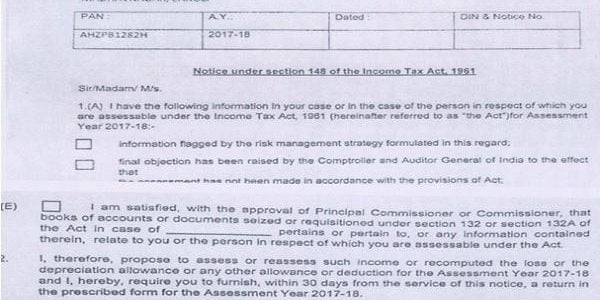
ITAT Chennai held that reassessment notice under section 148 of the Income Tax Act issued with approval of the Member of CBDT instead of Pr. CCIT is void and invalid. Accordingly, order passed under section 147 is without legal standing and hence quashed.
NCLAT Delhi held that post consent affidavit representing at least 90% of the value of the unsecured creditors, dispensation from convening meeting of unsecured creditors can be granted under section 230(9) of the Companies Act, 2013. Accordingly, the appeal is allowed.