
#Section 153D
Log in to FollowLatest Section 153D updates, provisions, case laws, compliance requirements, tax implications and expert analysis under Income-tax law on TaxGuru.
Income Tax
Income Tax
Unrequired Additional Commissioner approval vitiates Section 143(3) assessment: ITAT Delhi
Income Tax
Income Tax
Section 153D approval invalid for survey assessment, ITAT Delhi quashes Section 143(3) order
Income Tax
Income Tax
32-Day Bank Loan Cannot Be Branded Accommodation Entry: ITAT Delhi
Income Tax
Income Tax
ITAT Nagpur Quashes Search Assessments for Invalid Section 153D Approval
Income Tax
Income Tax
Karnataka HC Holds Section 153C Mandatory for Search-Based Material in Regular Assessment
Income Tax
Income Tax
ITAT Mumbai Rejects ₹51.99 Lakh WhatsApp Addition Due to Inconsistent Decoding
Income Tax
Income Tax
‘On-Money’ Not an “Asset” for Extended 10-Year Search Assessment: Mumbai ITAT
Income Tax
Income Tax
Mechanical Section 153D Approval Without Application of Mind Invalidates Assessment: ITAT Delhi
Income Tax
Income Tax
Section 148 Reassessment Invalid Where Section 153A Applied to Section 132A Requisition: ITAT Visakhapatnam
Income Tax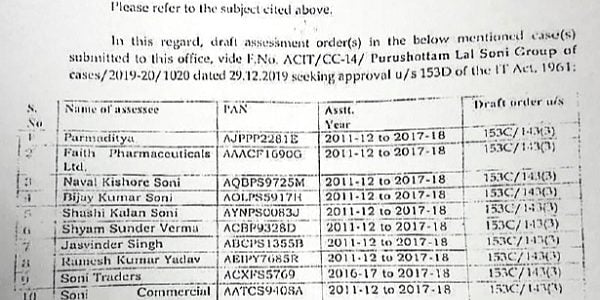
Income Tax
ITAT Delhi Quashes Section 153C Assessments Due to Mechanical Section 153D Approval
Income Tax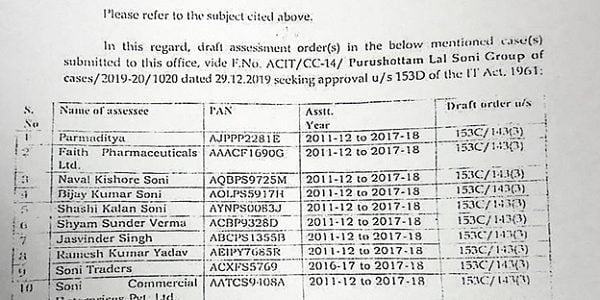
Income Tax
ITAT Delhi Quashes Section 153C Assessments Over Mechanical Section 153D Approval
Income Tax
Income Tax
ITAT Mumbai Deletes 153A Additions Without Incriminating Material
Income Tax
Income Tax
₹12.50 Lakh FDR Wrongly Reported as ₹12.50 Crore: Reassessment Quashed by Patna HC
Income Tax
Income Tax
Mumbai ITAT: 19 Search Appeals Restored for 153A, 153D Approval & Limitation Review
Explore the latest Section 153D updates on TaxGuru, including relevant Income-tax Act provisions, rules, notifications, circulars, judicial decisions and compliance guidance. The coverage highlights important tax positions, procedural requirements, assessments, deductions, penalties and litigation developments to help taxpayers and professionals understand the practical implications of changes in income-tax law.

