
Courts: Karnataka High Court
Find latest Karnataka High Court judgments, orders and case laws on Income Tax, GST, Customs, Company Law, IBC and other tax and commercial matters.

Employee Dues Can Be Adjusted Against Gratuity on Valid Undertaking: Karnataka HC

Differential GST on Works Contracts Reimbursable After Verification: Karnataka HC
Omitted GST Rule 96(10) Cannot Support Pending Notice: Karnataka HC
Section 35(3) BNSS Notice Must Precede Curtailment of Liberty: Karnataka HC
Rule 96(10) CGST Rules Omission Applies to Pending Refund Proceedings: Karnataka HC
Bill of Export Not Sole Evidence Under Later Circulars: Karnataka HC Remands
TPO Selection Under Rule 10B Does Not Conclude Comparability: Karnataka HC
Foreign Asset Deemed Acquired in Year of Section 10 Notice: Karnataka HC
Section 138 Complaint Filed Before 15 Days Cannot Sustain Conviction: Karnataka HC
Karnataka HC Dismisses GST Anticipatory Bail Cancellation Petition After Section 69 Submission
Karnataka HC Refuses to Quash Homebuyers’ FIRs and PMLA Proceedings Against Ozone Urbana
TDS Withheld From Land Acquisition Compensation Must Be Released: Karnataka HC

Outgoing Partner Cannot Veto Firm’s Reconstitution by Refusing to sign: Karnataka HC
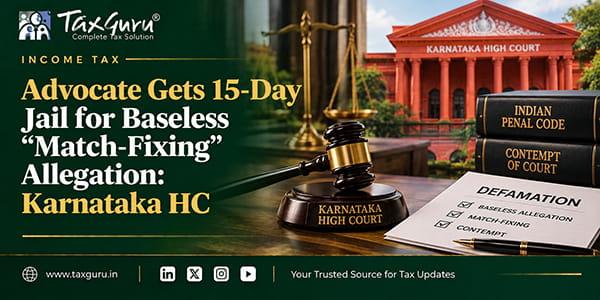
Advocate Gets 15-Day Jail for Baseless “Match-Fixing” Allegation: Karnataka HC
Karnataka High Court judgments and orders form an important source of judicial precedent on taxation, corporate and commercial law. This TaxGuru page brings together Karnataka High Court case laws concerning Income Tax, GST, Customs, Company Law, insolvency, reassessment, deductions, tax demands, penalties and other legal disputes. Companies, taxpayers, Chartered Accountants, advocates and professionals can use this collection to research relevant judgments and follow developments affecting tax and business law. TaxGuru publishes recent and significant earlier Karnataka High Court decisions with case summaries and analysis of important legal principles. The dedicated category helps readers conveniently locate decisions and research taxation, corporate, commercial and regulatory issues considered by the Karnataka High Court.

