
Courts: Jharkhand High Court
Find latest Jharkhand High Court judgments, orders and case laws on Income Tax, GST, Company Law and other taxation, business and legal disputes.
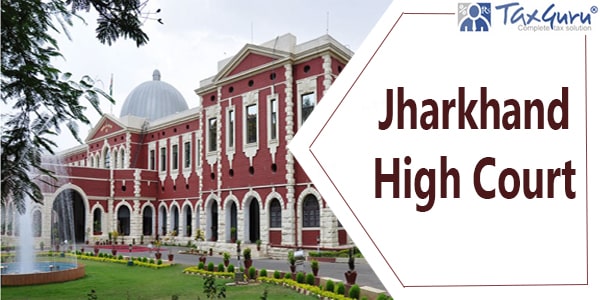
Writ Maintainable as GST SCN Raises Pure Question of Law: Jharkhand HC

Jharkhand HC Refuses GST Writ Due to Availability of Statutory Appeal Remedy
Jharkhand HC Upholds Reassessment Proceedings as Finance Act 2026 Inserted Section 147A Retrospectively
Jharkhand HC Quashes ITC Rejection Due to Subsequent Amendment in Section 16(5)
Jharkhand HC Dismisses Writ Petition Due to Available GST Appellate Remedy
Jharkhand HC Dismissed Writ Petition Due to Availability of Alternate GST Appeal Remedy
Jharkhand HC Orders Surrender in Fake GST Customs Officer Auction Fraud Case
Writ Rejected for Alternate Remedy but GST Appeal Permitted Without Limitation Hurdle
Jharkhand HC Dismissed Writ Petition Due to Delay Beyond 120-Day GST Appeal Limit
Writ Petition Withdrawn Due to Availability of Alternate Remedy and Missing Order Copy
Jharkhand HC Dismissed Appeals Due to Low Tax Effect & Settled Central Excise Rule 8(3A) Validity
Addition for Bogus Sale Upheld as Assessee Failed to Prove Genuine Transactions: Jharkhand HC
Jharkhand HC Directed Income Tax Authorities to Act by Deadline on TDS Refund Claim
Jharkhand HC Refuses Writ as Statutory Appeal Available Despite Tribunal Vacancies
Jharkhand High Court judgments and orders deal with important taxation, commercial and other legal controversies. This TaxGuru page collects Jharkhand High Court case laws involving Income Tax, GST, input tax credit, tax demands, refunds, registration, reassessment, penalties, Company Law and other matters relevant to taxpayers and businesses. Chartered Accountants, advocates, companies and tax professionals can use this category to research judicial precedents and monitor legal developments. TaxGuru publishes recent and important earlier Jharkhand High Court decisions with summaries and analysis explaining significant issues and findings. The page serves as a convenient reference for readers researching tax and business-related litigation before the Jharkhand High Court.

