
Courts: Allahabad High Court
Find latest Allahabad High Court judgments, orders and case laws on Income Tax, GST, Company Law, Customs and other tax, business and legal matters.
Madras HC Quashes GST Order Passed Against Deceased Person, Allows Fresh Notice to Heirs
Allahabad HC Quashes GST Demand Against Deceased Proprietor Without Legal Heir Notice

Allahabad High Court Dismisses Section 482 Plea Due to Unexplained Laches
GST Order Ignoring Emailed Reply Violates Natural Justice: Allahabad HC

GST Default Cannot Trigger BNS Prosecution Without Distinct Criminal Offence: Allahabad HC
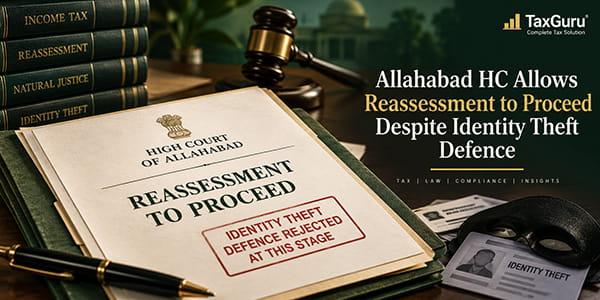
Allahabad HC Allows Reassessment to Proceed Despite Identity Theft Defence
Allahabad HC Quashes Section 74 Proceedings for Lack of Fraud and Suppression Findings

Accounting Dispute Cannot Sustain Cheating and Breach of Trust Charges: Allahabad HC
Allahabad HC Sets Aside GST Order Exceeding Show Cause Notice Demand
Mere Shah Commission Opinion Cannot Sustain Reassessment: Allahabad HC

Section 80IA Deduction Need Not Be Reduced While Computing Other Deductions: Allahabad HC
GSTAT Vacancies Cannot Be Addressed by Mere Circulars & Advertisements: Allahabad HC
GST Order Quashed for Portal-Only Notice After Registration Cancellation: Allahabad HC
Allahabad HC Grants Bail in Fake ITC Case After Investigation Completed
Allahabad High Court judgments and orders cover a wide range of constitutional, taxation, commercial and other legal disputes. This TaxGuru page brings together Allahabad High Court case laws on Income Tax, GST, Customs, Company Law, insolvency, recovery, penalties, reassessment, writ proceedings and other matters relevant to taxpayers, businesses and professionals. Chartered Accountants, advocates, tax professionals, companies and other readers can use this page to research important rulings and understand the legal principles considered by the Court. The collection includes recent as well as significant earlier Allahabad High Court decisions published on TaxGuru. Case summaries and analysis help readers identify the issues, findings and implications of important judgments while providing access to developments in tax and commercial jurisprudence before the Allahabad High Court.

