The case framework explains how the new wage definition mandates that at least 50% of remuneration must qualify as wages. This directly impacts minimum wage compliance and statutory contributions.
The article breaks down salary components such as basic salary, allowances, and perquisites. It highlights which parts are fully taxable and which may qualify for exemptions.
The Tribunal held that reassessment proceedings fail when the foundational assumption behind reopening is factually incorrect. It ruled that “reasons to believe” must exist in reality at the time of recording, failing which the entire reassessment becomes void ab initio.
The regulator has formally recognized operating and hybrid leases of oilfield equipment as financial products. This brings such leasing activities under the IFSC regulatory framework from the date of notification.
This article explains the mandatory requirement that only a registered valuer can determine share pricing for preferential issues.
This article explains how courts assess unexplained cash credits and why proper proof of identity, capacity, and genuineness can lead to deletion of additions.
The GST Portal now enables electronic filing of opt-in declarations for declaring hotel premises as “specified premises.” The key takeaway is mandatory online filing with defined timelines for FY 2026–27.
The government has approved new regional and company registries to streamline administration and improve access. The move aims to reduce jurisdictional load and strengthen regulatory facilitation.
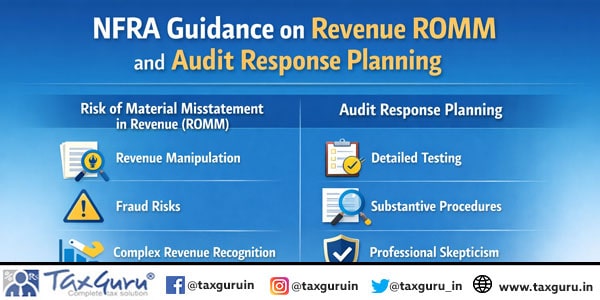
The document explains how auditors should identify and assess risks of material misstatement in revenue under SA 315. It highlights structured ROMM analysis as the foundation for audit planning and quality.
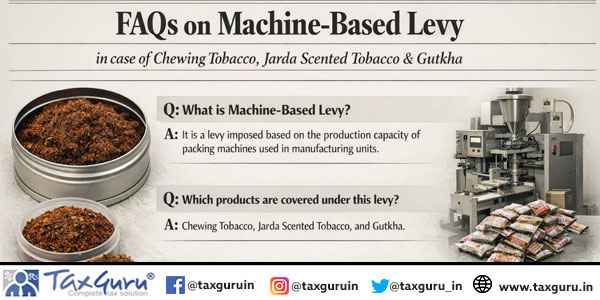
The FAQs clarify how excise duty on chewing tobacco, jarda, and gutkha will be levied based on packing machine capacity rather than actual production. Manufacturers must comply with strict declaration, verification, and payment rules from 1 February 2026.