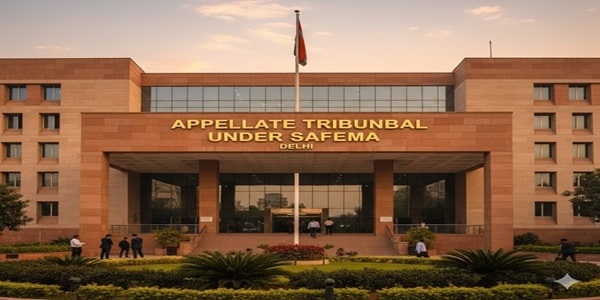
The Tribunal held that transaction value could not be rejected without evidence or proper application of valuation rules. Arbitrary enhancement and penalties were quashed for lack of comparables and proof of undervaluation.
Since the statutory notice under section 143(2) was issued by a non-jurisdictional officer, the assessment collapsed. The ruling affirms that valid notice by the competent authority is a sine qua non.
The court ruled that a single assessment covering several tax periods violates GST provisions. Orders were set aside with liberty to initiate fresh, year-wise proceedings.
The appellate tribunal declined to entertain the appeal citing absence of grounds. It clarified that the impugned order would not prevent the appellant from raising all legal pleas in any future proceedings.
The Tribunal ruled that additions made on issues beyond limited scrutiny were without authority since proper conversion to complete scrutiny was not followed. The key takeaway is that violating CBDT instructions renders the entire assessment void.
The High Court remitted GST DRC-07 orders after noting that show cause notices were not replied to. Relief was granted subject to a 10% pre-deposit and filing of consolidated replies.
The High Court refused to quash a GST show cause notice where the authority had formed prima facie satisfaction of fraudulent ITC availment. The ruling affirms limited judicial interference at the notice stage.
The Court held that employees cannot be held liable for TDS non-deposit when the employer deducts it. The AO must decide representation considering CBDT circular guidance.
The Tribunal ruled that estimating higher profit without rejecting audited books or finding major defects is impermissible. The declared 7% margin was accepted as reasonable, emphasizing limits on ad-hoc profit estimation.
Authorities have clarified that compulsory service charges violate consumer law, reaffirming that tips must be voluntary and cannot be added by default to bills.