The appeals were rejected without examining additions made by the Assessing Officer. The Tribunal emphasized that appellate remedies cannot be defeated by procedural technicalities and restored the cases.
The High Court ruled that compensation, penalties, and liquidated damages for contract breaches are not subject to GST, as they are not consideration for a supply. Key takeaway: GST applies only to actual supplies, not contractual failures.
The registrar imposed the maximum penalty for delayed MSME Form I filings. Even belated compliance did not prevent monetary penalties.
Central Goods & Services Tax Act, 2017 was made effective w.e.f. 01/07/2017 and thereafter thousands of notifications and circulars have been issued. Still almost every month we are witnessing new notifications, circulars, orders, clarifications etc. It is very hard for a common person to keep track of all these. An attempt has been made in […]
GSTN will soon enforce system-level blocking if ITC reclaimed or RCM ITC exceeds ledger balances. Key takeaway: taxpayers must reconcile ledgers to avoid filing errors.
The Tribunal held that reassessment notices issued after 1 April 2021 for AY 2015-16 are legally unsustainable. Since jurisdiction itself failed under TOLA principles, the entire reassessment was quashed.
The case examined allegations of market access denial and abuse of dominance in digital advertising and search services. The Commission closed the matter, holding that vague pleadings and lack of specific evidence did not establish a prima facie violation.
The Commission held that allegations over AI-based alteration of a film did not establish anti-competitive conduct. In the absence of evidence linking the conduct to Sections 3 or 4, the case was closed under Section 26(2).
The issue was whether SEZ deduction could be denied for alleged late filing of Form 56F. The Tribunal held that filing within the CBDT-extended deadline was valid and CPC erred in disallowance. The ruling confirms that statutory extensions must be honoured in return processing.
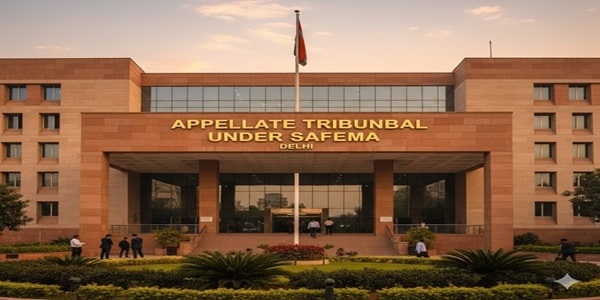
The issue was whether payments received by private firms were genuine business income or tainted funds. The Tribunal held that advance payments and manipulated tendering showed diversion of NRHM money, justifying attachment.