
Courts: Allahabad High Court
Find latest Allahabad High Court judgments, orders and case laws on Income Tax, GST, Company Law, Customs and other tax, business and legal matters.
Allahabad HC quashed FIR filed Against Advocate for Filing a GST Appeal
Allahabad HC Quashes GST Arrest as Grounds of Arrest Were Not Properly Served

Uploading GST Orders on Portal Alone Does Not Automatically Start Limitation Period: Allahabad HC
Allahabad HC Rejects UPHJS Selection Challenge Due to Lack of Evidence of Interview Bias
Transport of Bus Chassis for Renovation Not Grounds for GST Detention: Allahabad HC
Allahabad HC Grants Bail in Fake GST Invoice Case Due to Absence of Exceptional Circumstances
Allahabad HC Quashes GST Confiscation Notice as Tax Liability Was Not Determined Under Sections 73/74
Adverse GST Orders Passed Without Oral Hearing Violate Mandatory Procedure: Allahabad HC
Use of Word ‘Shall’ Does Not Automatically Make GST Timeline Mandatory: Allahabad HC
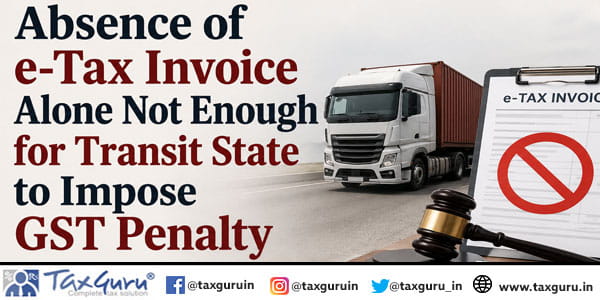
Absence of e-Tax Invoice Alone Not Enough for Transit State to Impose GST Penalty
Allahabad HC Examines Validity of GST ITC Restrictions Due to Supplier Defaults
Use of Honirifics ‘Hon’ble’ restricted to Sovereign Constitutional Functionaries: Allahabad HC
GST Confiscation Proceedings Quashed as Stock Discrepancy Must Be Examined Under Sections 73/74
Excess Stock Found in GST Survey Cannot Trigger Confiscation Proceedings: Allahabad HC
Allahabad High Court judgments and orders cover a wide range of constitutional, taxation, commercial and other legal disputes. This TaxGuru page brings together Allahabad High Court case laws on Income Tax, GST, Customs, Company Law, insolvency, recovery, penalties, reassessment, writ proceedings and other matters relevant to taxpayers, businesses and professionals. Chartered Accountants, advocates, tax professionals, companies and other readers can use this page to research important rulings and understand the legal principles considered by the Court. The collection includes recent as well as significant earlier Allahabad High Court decisions published on TaxGuru. Case summaries and analysis help readers identify the issues, findings and implications of important judgments while providing access to developments in tax and commercial jurisprudence before the Allahabad High Court.

