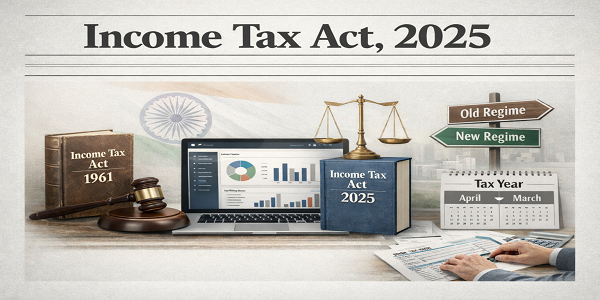
Wide-ranging reforms across labour, tax, GST, and banking systems come into force from April 2026. These changes aim to simplify compliance while strengthening transparency and financial discipline.
Explains how routine approvals under Section 151 can nullify reassessment proceedings. The key takeaway is that lack of application of mind makes notices legally invalid.
GST suspension triggered by GSTR-1 and GSTR-3B mismatch was upheld, emphasizing strict reconciliation requirements. Timely correction and response are crucial to avoid cancellation.
Courts have held that reassessment proceedings must be based on the reasons recorded before issuing notice under Section 148. If no addition is made on the issue forming the basis of reopening, the reassessment may become invalid.
From 1 January 2026, GST becomes a system-driven regime with mandatory validations and irreversible deadlines. Businesses must ensure strict compliance to avoid return blocks and registration disruptions.
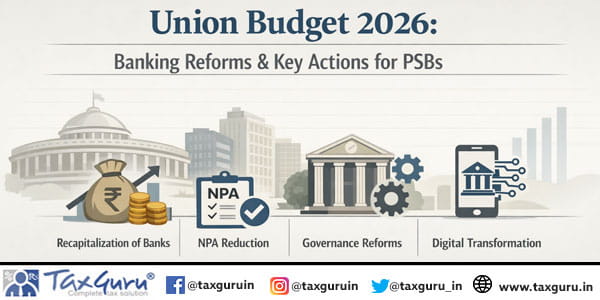
The Union Budget 2026–27 proposes a High-Level Committee, NBFC restructuring, and bond market expansion to strengthen India’s banking system. The reforms aim to enhance governance, credit delivery, and long-term financial stability.
The post-2021 regime makes limitation a jurisdictional threshold, not a curable defect. Notices issued beyond time are void regardless of merits, reinforcing finality in assessments.
Consolidated GST notices are common but risky. Their validity depends on strict compliance with year-wise limitation and clear allegations for each period.
Courts have ruled that notices or orders issued by a Jurisdictional AO under the faceless regime are void due to lack of authority. Jurisdictional defects are incurable, and taxpayers should raise objections early to secure annulment.
The article emphasizes using December to review personal growth across career, family, health, creativity, and spirituality before entering the New Year.