The RBI extended the time for realisation of export proceeds from nine to fifteen months due to global uncertainties. This decision addresses delays caused by geopolitical tensions and logistical disruptions.
The government amended the earlier notification by replacing Table 1 with a revised duty structure. This change impacts applicable customs rates and compliance requirements for specified goods.
The RBI postponed implementation of revised capital market exposure norms after banks and intermediaries raised operational concerns. It also issued clarifications to address interpretational issues in acquisition finance and lending rules.
ICSI broadened eligibility criteria to allow final-year students and various professional streams to register. The decision enhances accessibility and promotes wider participation in the CS profession.
The Competition Commission found prima facie evidence that breeder agreements restricted farmers from selling to competitors or using alternative breeds. It held that such clauses may constitute vertical restraints, warranting a detailed investigation. The case highlights concerns over limited market access and potential anti-competitive practices.
ITAT held that statutory transfer of funds to the government is not dividend under Section 2(22). Hence, dividend distribution tax under Section 115-O is not applicable.
ITAT held reassessment invalid due to approval taken from an incorrect authority under Section 151. The ruling confirms that improper sanction makes the entire proceeding void ab initio.
The Tribunal upheld dismissal of appeal for non-payment of tax under Section 249(4)(b). However, it remanded the case after finding that the addition based on Form 26AS may be incorrect.
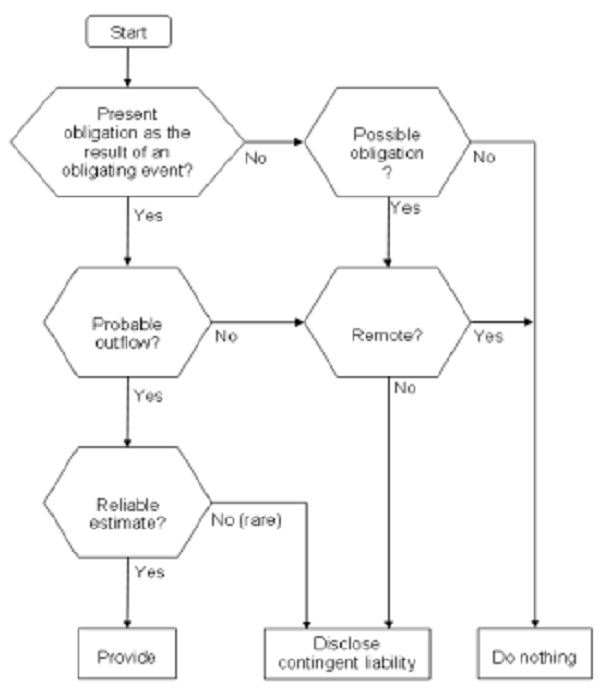
NFRA has released detailed guidance focusing on auditing provisions and contingent liabilities under Ind AS 37. It emphasizes improved auditor–audit committee communication and stronger evaluation of management estimates. The key takeaway is enhanced audit quality and transparency in financial reporting.
The Tribunal noted that registration was denied due to failure to submit building and safety approvals. It remanded the matter, holding that a fair opportunity must be given before rejecting charitable registration.