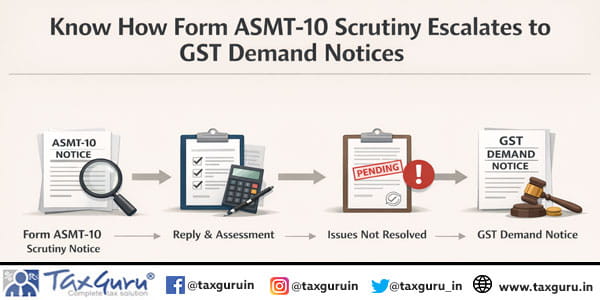
Explains how GST scrutiny under ASMT-10 can escalate into demand notices under Sections 73, 74 or 74A when discrepancies in returns remain unresolved.
The DRT Delhi held that prepayment charges cannot be levied when a bank recalls a loan and the borrower has not voluntarily offered early repayment. The recovery claim was reduced after excluding such charges.
The tribunal relied on Supreme Court precedent to hold that a second proceeding cannot be filed when an earlier challenge has been withdrawn without permission to pursue another remedy.
The High Court held that reopening an assessment merely because the tax officer formed a different view on the same material is not permissible, and the Supreme Court declined to interfere.
The Tribunal ruled that port dues collected from port users had already suffered service tax. Retention of a portion of those dues could not be subjected to tax again under another category.
The Supreme Court declined to entertain the revenue’s SLP after noting that a fresh notice had already been issued following the High Court judgment. The Court allowed the revenue to raise all objections in the pending writ proceedings.
The Court found that the Assessing Officer had knowledge of the amalgamation before issuing the assessment orders. Passing orders in the name of dissolved entities was held to be without jurisdiction.
The Court held that valuation of goods cannot be examined during detention proceedings under Sections 129 or 130 of the GST Act, and such issues must be decided by the assessing authority.
CESTAT held that once Cenvat credit is reversed along with interest, it amounts to non-availment of credit, allowing the assessee to retain the benefit of the abatement notification.
The Tribunal admitted the insolvency petition after determining that the borrower failed to repay outstanding dues despite recall notice and partial payment. A moratorium under Section 14 of the IBC was declared.