
Month: February 2026
2,250 articlesIncome Tax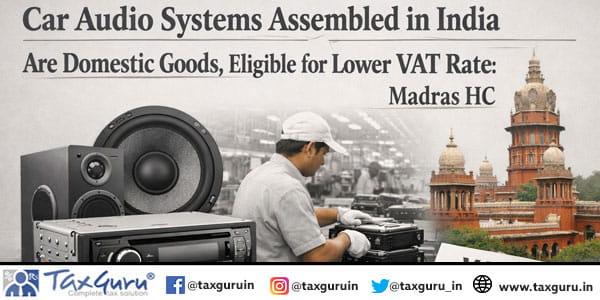
Income Tax
Car Audio Systems Assembled in India Are Domestic Goods, Eligible for Lower VAT Rate: Madras HC
Income Tax
Income Tax
ITAT Mumbai Deleted FBT Addition as Sales Promotion Expenses Gave No Employee Benefit
Corporate Law
Corporate Law
DRAT Allahabad Denied Interim Stay Due to Absence of Registered Tenancy Proof
Income Tax
Income Tax
Land Beyond Municipal Limits Is Not a Capital Asset: Revenue’s Appeal Dismissed
Goods and Services Tax
Goods and Services Tax
GST Offences Triable by Magistrate with Limited Punishment: Orissa HC Grants Bail
Income Tax
Income Tax
Section 68 Addition Deleted Where Deposits Were Temporary for Student VISA & Repaid
Income Tax
Income Tax
ITAT Surat Remands Section 54F Claim to AO for Fresh Review of Additional Evidence
Corporate Law
Corporate Law
Disability protection laws do not apply to voluntary Retirement from service: Delhi HC
Income Tax
Income Tax
Ad-Hoc 5% Expense Disallowance Held Unsustainable by ITAT
Income Tax
Income Tax
No Permanent Establishment Found, Revenue Appeal Dismissed by SC
Income Tax
Income Tax
Delhi HC Affirms No PE in India; Offshore Supply Alone Not Taxable
Income Tax
Income Tax
Reopening Below ₹50 Lakh Without PCCIT Approval Is Invalid
Company Law
Company Law
SC Dismisses SFIO Probe Plea for Delay and Lack of Statutory Satisfaction
Company Law
Company Law

