
Day: February 13, 2026
59 articlesIncome Tax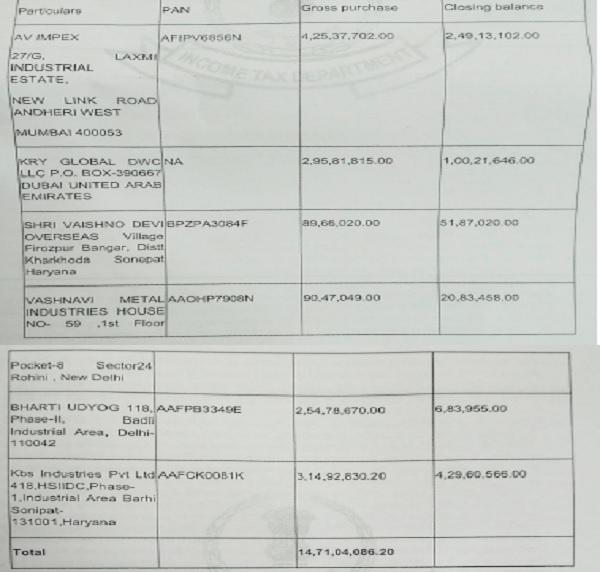
Income Tax
Bogus Purchase Addition Restricted to 10% – CIT(A) Relief Upheld
Income Tax
Income Tax
Reassessment Quashed – Notice U/s 148 Issued Before Approval & Mechanical Sanction U/s 151
Income Tax
Income Tax
Reopening Upheld but Addition Restored – Non-Speaking Order on Cost of Improvement
Income Tax
Income Tax
TDS Default u/s 201 – Matter Remanded for Verification of Payees’ Tax Payment
Income Tax
Income Tax
Loan Repayment Not Taxable U/s 68 & 14A Disallowance Restricted to Actual Expenditure
Fema / RBI
Fema / RBI
RBI (Small Finance Banks – Concentration Risk Management) Amendment Directions, 2026
Income Tax
Income Tax
Addition u/s 69A Partly Sustained – Disallowance Restricted to 10%
Income Tax
Income Tax
Section 153C Additions Deleted – Hazir Johri Software Entries Held Unreliable Without Corroboration
Income Tax
Income Tax
Penalty U/s 271(1)(c) Deleted — Defective Notice U/s 274 Without Specific Charge Invalidates Penalty: ITAT Mumbai
Income Tax
Income Tax
Section 143(1) Adjustment without Notice Invalid – Carry Forward of Loss & Unabsorbed Depreciation Allowed by ITAT Kolkata
Income Tax
Income Tax
Interest Expenditure U/s 57 Allowed — Nexus Established through Computation
Income Tax
Income Tax
Reassessment Quashed — Approval by Wrong Authority U/s 151(ii) Invalidates Notice u/s 148 Entire Proceedings: ITAT Mumbai
Income Tax
Income Tax
Deemed Dividend U/s 2(22)(e) Largely Deleted & Sec.54 Deduction Allowed
Income Tax
Income Tax

