
Courts: NCLAT
Read latest NCLAT judgments and orders on insolvency, IBC, company law, corporate disputes, competition matters and other appellate proceedings.

NCLAT Upholds Section 9 Admission as Separate Supply Obligations Created Operational Debt
Resolution applicant could not alter Financial Proposal through Last-Minute addendum after challenge process
NCLAT Upholds CIRP Admission as Conditional Payment Email Acknowledged Operational Debt
NCLAT Upholds Rejection of Resolution Plan as CIRP Was Not Conducted Transparently
IBC Petition Dismissed for Failing ₹1 Crore Threshold Due to Separate Entity Debt Allocation
NCLAT Dismisses Appeal Filed Beyond 45 Days as Delay Not Condonable Under IBC: NCLAT Chennai

CIRP Admission Upheld as Debt Exceeded Arbitral Award & Default Was Undisputed: NCLAT Delhi

Tax Dues Not Secured Debt Under IBC – VAT First Charge Claim Rejected as IBC Prevails Over VAT Law
Insolvency Plea u/s 95 filed during Interim Moratorium was void ab initio even after case was withdrawn
NCLAT Dismisses Appeal Due to Lack of Evidence of Fraudulent Transaction
NCLAT Upholds rejection of Homebuyer claim filed 4 days before CoC Vote on Resolution Plan
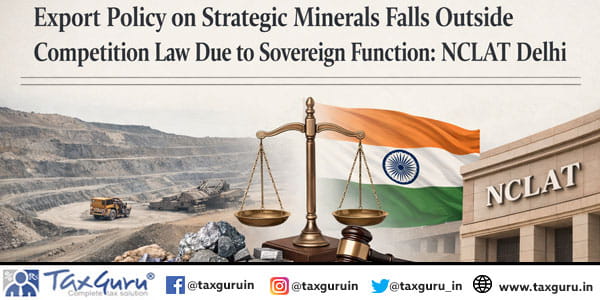
Export Policy on Strategic Minerals Falls Outside Competition Law Due to Sovereign Function: NCLAT Delhi

Limitation Act Can’t Extend 14-Day Appeal Period; NCLAT Dismisses 1616-Day Delayed Appeal
Resolution Plans Below Liquidation Value Rejected; CoC Commercial Wisdom Upheld: NCLAT
NCLAT brings together judgments and orders of the National Company Law Appellate Tribunal published on TaxGuru. The archive covers appeals involving the Insolvency and Bankruptcy Code, company law, corporate insolvency resolution, liquidation, oppression and mismanagement and other matters falling within NCLAT’s jurisdiction, including applicable competition-law proceedings. Insolvency professionals, companies, creditors, resolution applicants, Chartered Accountants, Company Secretaries and advocates can use this category to research NCLAT precedents and follow important developments in insolvency and corporate jurisprudence.

