
Month: April 2026
1,943 articlesCompany Law
Company Law
GIFT City AIFs: Trust-to-LLP Conversion Opportunity Under Corporate Laws (Amendment) Bill, 2026
Goods and Services Tax
Goods and Services Tax
Battery-as-a-Service: GST Framework, Ind AS Treatment & Depreciation
Income Tax
Income Tax
FTC Cannot Be Denied for Late Form 67: Substantive Right Prevails
Income Tax
Income Tax
Income-Tax Act 2025 Vs. Traces: Is Your TDS Intimation A Case of Digital Time Travel?
Company Law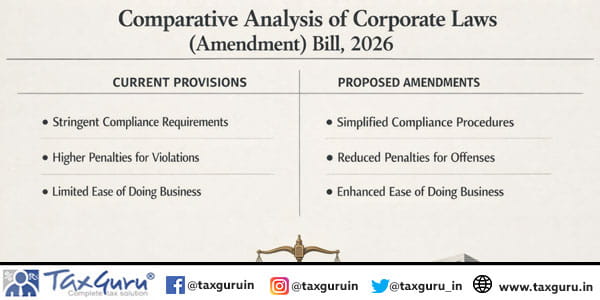
Company Law
Comparative analysis of Corporate Laws (Amendment) Bill, 2026
Goods and Services Tax
Goods and Services Tax
Unregistered Rental Agreement as a Ground for GST Cancellation: A Legally Unsustainable Practice
Goods and Services Tax
Goods and Services Tax
GST Order Set Aside Due to Lack of Personal Hearing at Adjudication Stage
Income Tax
Income Tax
ITAT Exceeded Jurisdiction by Admitting Additional Evidence Filed by Revenue: Telangana HC
Goods and Services Tax
Goods and Services Tax
GST Registration Restored on Return Filing, Dues Payment: HC: Madras HC
Income Tax
Income Tax

