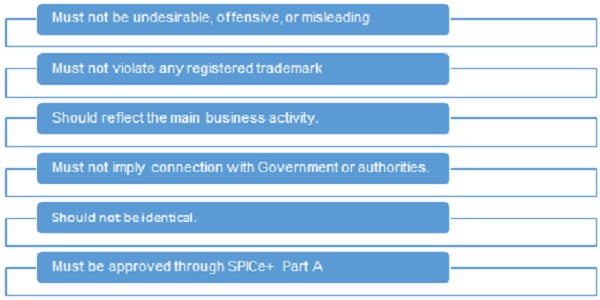
A step-by-step guide explaining name reservation, SPICe+ filing, required documents, and MCA approvals. The article also covers mandatory post-incorporation compliances and FEMA requirements.
Appeals dismissed as time-barred through FORM GST APL-02, without a reasoned order under Section 107, may deny taxpayers access to GSTAT. The key issue is whether an acknowledgment can substitute a statutory appellate order.
Emphasizing judicial consistency, the Tribunal dismissed the Revenues appeal on referral fees and reimbursements. Identical issues decided in earlier years were followed, leading to deletion of all additions.
ITAT held that penalty under Section 271(1)(c) cannot survive where tax is ultimately levied under Section 115JB. Additions under normal provisions did not result in tax evasion.
The Tribunal deleted ₹2 lakh cash addition as no incriminating material directly linked the assessee to alleged on-money. Reliance solely on pen drive data and third-party statements without cross-examination was held insufficient.
This guide clarifies the legal and constitutional differences between tax, duty, cess, surcharge, and fee. Understanding these distinctions is crucial for statutory interpretation and fiscal federalism.
The GST framework has expanded nationwide adjudication powers for DGGI cases through Notification 27/2024. Additional and Joint Commissioners under 23 specified Commissionerates can now adjudicate DGGI-issued notices across India, widening centralized enforcement authority.
ITAT quashed reassessment as approval under Section 151 was granted by PCIT instead of PCCIT. Notice issued after three years was held void for lack of proper jurisdiction.
ITAT ruled that mere endorsement stating “Yes, I am satisfied” does not constitute valid sanction under Section 151. Mechanical approval without independent application of mind invalidated the reassessment.
ITAT Mumbai deleted ₹13.32 lakh penalty u/s 270A, holding bona fide exemption claim by charitable trust not misreporting; 200% penalty unsustainable.