The AO added ₹1 crore based on alleged cash receipts from third-party material. The Tribunal held the reopening itself was invalid, so the addition could not survive.
The central bank has released draft Directions revising dividend and profit remittance rules. The key takeaway is a proposed new methodology for calculating eligible dividend payouts.
The Central Government notified an urban development authority under section 10(46A) of the Income-tax Act. The exemption applies from AY 2024–25, subject to continued statutory status and specified functions.
The government has notified an electricity regulatory authority as eligible for tax exemption under section 10(46A), clarifying its status as a statutory body and the conditions for continued benefit.
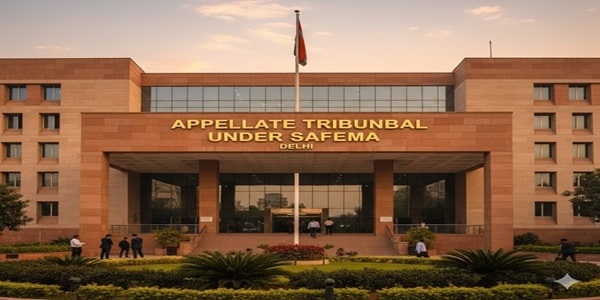
The issue was whether property attachment under PMLA survives after discharge of some accused. The Tribunal held that as long as the scheduled offence continues against a principal accused, attachment of properties cannot be lifted.
The AO issued reassessment notices during the post-Ashish Agrawal transition phase. Applying later Supreme Court law, the ITAT held AY 2015-16 is beyond the permissible reopening period.
The appellants argued that old properties could not be attached under PMLA. The Tribunal rejected this, holding that “value of proceeds of crime” covers such assets when tainted funds are unavailable.
NCLAT Delhi held that rejection of application under section 9 of the Insolvency and Bankruptcy Code justifiable because of pre-existing dispute between the parties. Accordingly, appeal dismissed as being devoid of merits.
The ruling confirms that when equal owners are locked in irreconcilable deadlock, a solvent company may be wound up on just and equitable grounds.
The regulator upheld a turnover-linked materiality framework for related party transactions, replacing the flat 10% test to align approvals with entity size while retaining shareholder scrutiny for high-impact deals.