The Karnataka High Court held that objections relating to an officer performing dual roles in audit and adjudication must be examined before merits are considered. The matter was remitted for fresh adjudication after jurisdictional findings.
ITAT Delhi held that assessments under Section 153C were invalid as the Assessing Officer failed to record satisfaction in terms of the amended statutory requirement. The Tribunal quashed the assessments for lack of proper jurisdictional compliance.
The ITAT Bangalore condoned a 28-day delay in filing appeal after accepting the assessee’s explanation regarding non-noticing of electronically communicated appellate order. The Tribunal adopted a justice-oriented approach.
The ITAT Rajkot reduced the addition on demonetization cash deposits after finding that the assessee had produced land records, cash flow statements, and other supporting evidence. The Tribunal restricted the addition to 10% of the disputed amount.
The article highlights concerns over indefinite withholding of GST refunds under Section 54(11) due to absence of statutory timelines. It proposes periodic review and reauthorization mechanisms to balance taxpayer rights and revenue protection.
The Andhra Pradesh High Court held that refund arising from an unconstitutional GST levy carries a constitutional right to interest. The Court ruled that the State must compensate taxpayers for wrongful retention of money.
The article explains common GST audit objections relating to ITC, reverse charge liability, and turnover mismatches. It highlights that proper reconciliations, documentary evidence, and judicial precedents may help avoid demands and penalties.
The Allahabad High Court observed that criminal case delays are caused not only by judicial officers but also by inadequate infrastructure, police non-cooperation, and forensic deficiencies. The Court issued multiple reform directions while rejecting a bail plea.
The Delhi High Court held that frozen chicken supplied to the Indian Army was not exempt from GST because it was supplied in unit containers. The Court directed reimbursement of GST paid by the supplier along with interest for delayed payment.
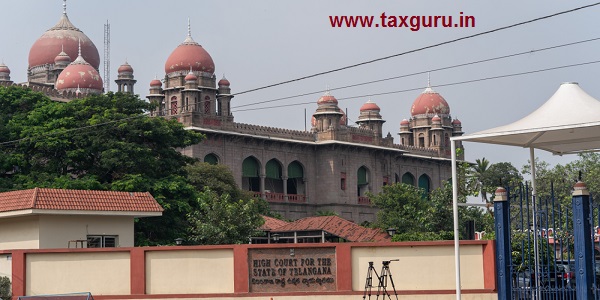
The Telangana High Court refused to interfere with a GST demand order involving alleged misclassification of cargo transport services, holding that the petitioner should pursue statutory appellate remedies. The Court found no violation of natural justice.