The article explains how the Supreme Court evolved curative jurisdiction in exceptional cases to correct grave injustice even after dismissal of review petitions. It highlights the legal framework, safeguards, and landmark rulings shaping curative petitions in India.
The article argues that DGFT’s annual IEC updation forces exporters to repeatedly submit data already available with government databases. It claims the process imposes unnecessary costs and operational hardships without improving compliance.
The article questions why West Uttar Pradesh has been denied a High Court Bench despite contributing the majority of pending cases in Allahabad High Court. It argues that the continued denial violates constitutional equality and burdens litigants with extreme travel hardships.
The Calcutta High Court refused to entertain the writ petition after noting that the GST Appellate Tribunal under Section 112 had been constituted. The petitioner was granted liberty to file an appeal before the Tribunal.
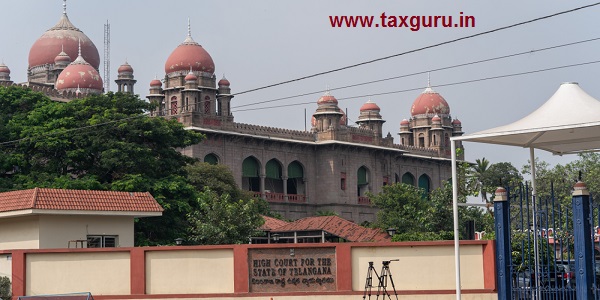
Telangana High Court permitted the taxpayer to withdraw the writ petition and pursue statutory appeal under Section 107 of the CGST Act. The Court directed the appellate authority to consider the delay sympathetically because the taxpayer had earlier approached the High Court.
Telangana High Court permitted the taxpayer to withdraw the writ petition and pursue statutory appeal under Section 107 of the CGST Act. The Court directed the appellate authority to consider the delay sympathetically since the taxpayer had approached the High Court earlier.
High Court held that taxpayers should not be denied an opportunity to seek revocation of cancelled GST registration merely because the online portal does not permit filing after limitation expiry.
Telangana High Court permitted the taxpayer to withdraw the writ petition and pursue statutory appeal under Section 107 of the CGST Act. The Court directed the appellate authority to consider the delay sympathetically because the taxpayer had been pursuing remedy before the High Court.
Telangana High Court directed that no coercive GST recovery action should be taken if the taxpayer deposits 10% of the assessed tax liability within four weeks. The taxpayer was permitted to pursue second appeal before the GST Appellate Tribunal.
Telangana High Court directed that no coercive recovery action should be taken against the taxpayer if 10% of the assessed GST liability is deposited within the prescribed period.