The High Court held that assignment of leasehold rights amounts to transfer of an interest in immovable property and not a supply of services. The ruling clarifies that such transactions fall outside the scope of GST.
The article explains when Audit Committee, Board, and shareholder approvals are required for Related Party Transactions. It provides a practical framework for determining the correct approval level under the Companies Act and SEBI regulations.
The PRP Act, 2023 replaced the old RNI framework with a fully digital compliance system administered by PRGI. Publishers must now comply with registration, annual filing, and disclosure requirements to avoid penalties and cancellation risks.
The article explains how hospitalisation and treatment costs can affect savings meant for education, housing, and retirement. It highlights the role of family health insurance in shielding financial plans from unexpected medical expenses.
The article explains when private companies can rely on MCA exemptions to borrow through board approval alone. It highlights the borrowing thresholds and default conditions that determine whether shareholder approval is required.
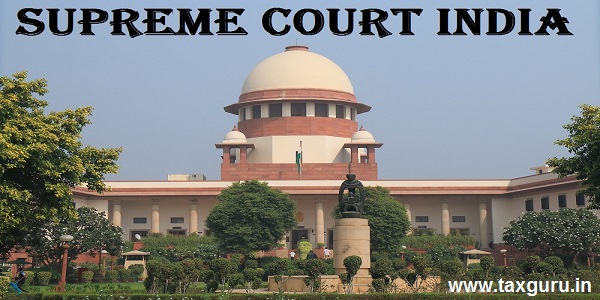
The Supreme Court ruled that vicarious liability under the NI Act cannot arise solely from holding an office in a society or company. The key test is whether there is specific material showing involvement in the conduct of the entity’s affairs and the transaction in question.
The key issue was whether cash falls within the definition of property under the PBPT Act. The Tribunal ruled that cash is a tangible movable asset and may be confiscated as benami property when ownership and source remain unverified.
The case examined whether Indian assets could remain seized after foreign asset value was repatriated. The Tribunal ruled that once the objective of Section 37A is fulfilled, continued attachment loses its basis.
The article explains how home loan interest and principal repayments can reduce tax liability under the old tax regime. It also highlights why the new regime may limit these benefits for many borrowers.
The article argues that Compulsorily Convertible Debentures qualify as financial liabilities under Ind AS 32. It explains why certain judicial remarks treating CCDs as equity may be non-binding obiter dicta rather than authoritative legal principles.