
Month: May 2026
2,201 articlesGoods and Services Tax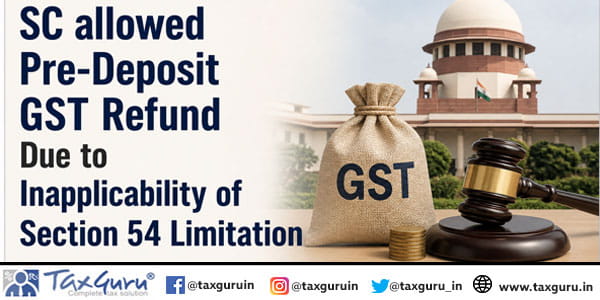
Goods and Services Tax
SC allowed Pre-Deposit GST Refund Due to Inapplicability of Section 54 Limitation
Corporate Law
Corporate Law
IBC Widens Avoidance Transaction Scope, Strengthens Stakeholder Remedies
Goods and Services Tax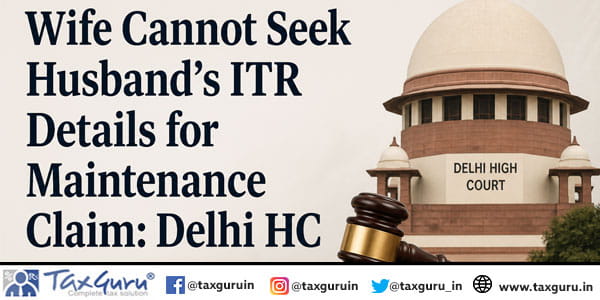
Goods and Services Tax
Wife Cannot Seek Husband’s ITR Details for Maintenance Claim: Delhi HC
Income Tax
Income Tax
Excess Stock in Survey = Business Income, Not 115BBE Hit – ITAT Pune Draws Clear Line
Income Tax
Income Tax
No Specific Charge = No Penalty – ITAT Deletes 270A Penalty for Vague Notice Bonafide Claim
Income Tax
Income Tax
Updated Return Can’t Kill Genuine Exemption – ITAT Allows Section 11 Relief Despite Delay
Goods and Services Tax
Goods and Services Tax
The Conundrum of GST Place of Supply Rules for Tokenized Real Estate Services
Income Tax
Income Tax
TDS Challan: Nature of Payment Code and others under Income Tax Act 2025
Company Law
Company Law
CCFS-2026: MCA Launches 90% Penalty Waiver Scheme for Companies
Corporate Law
Corporate Law

