
Month: May 2026
2,201 articlesGoods and Services Tax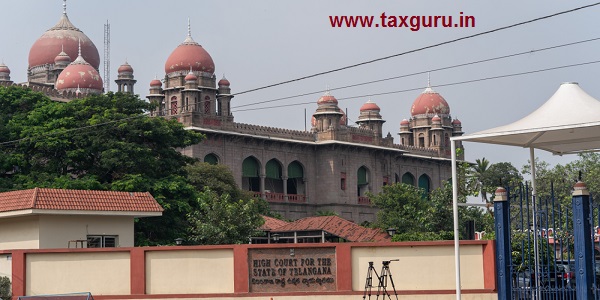
Goods and Services Tax
Manual GST Registration Revocation Application Allowed When Portal Fails: Telangana HC
Goods and Services Tax
Goods and Services Tax
Manual GST Registration Revocation Allowed Due to Consultant Default, Portal Restriction: Telangana HC
CA, CS, CMA
CA, CS, CMA
ICAI Seeks Feedback on May 2026 CA Exams
Company Law
Company Law
ICSI First Bi-Annual Eastern Region Convocation of Fy 2026-2027
Income Tax
Income Tax
Factory Shift ≠ Capital Asset – ITAT Allows ₹1.13 Cr as Revenue, Calls Out “Enduring Benefit” Overreach
Income Tax
Income Tax
Registration Rejected for “Low Activity”? ITAT Sends It Back – Opportunity Must Precede Denial
Goods and Services Tax
Goods and Services Tax
Representation on Persistent Issues in Karnataka Professional Tax Portal
Income Tax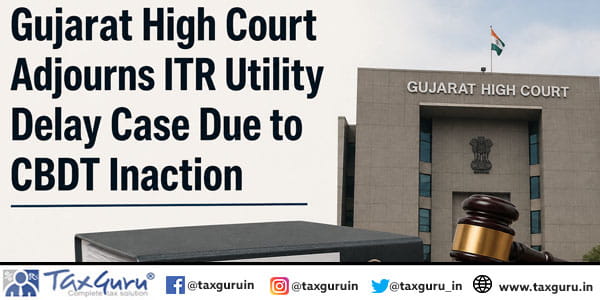
Income Tax
Gujarat High Court Adjourns ITR Utility Delay Case Due to CBDT Inaction
Income Tax
Income Tax
Interest on VAT is Compensatory, Not Penal – ITAT Allows Deduction
Corporate Law
Corporate Law

