
Type: News
Read latest TaxGuru news on taxation, GST, Income Tax, finance, business, corporate laws, regulatory developments and professional updates.

MSME Development Amendment Bill 2026 Introduces Payment & Dispute Reforms

MMDR Amendment Bill, 2026: Certainty & Uniformity in Mineral Taxation
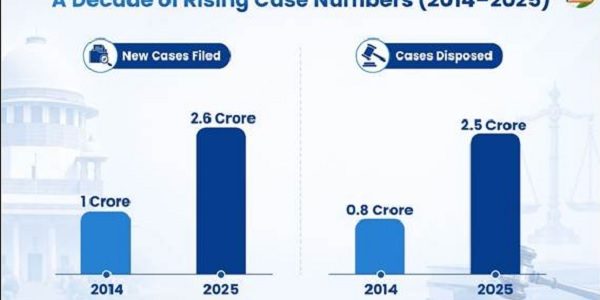
e-Courts Mission Digitises Indian Judiciary with AI and Virtual Courts

SEBI Proposes Mandatory Credit Risk-o-Meter for Debt Securities
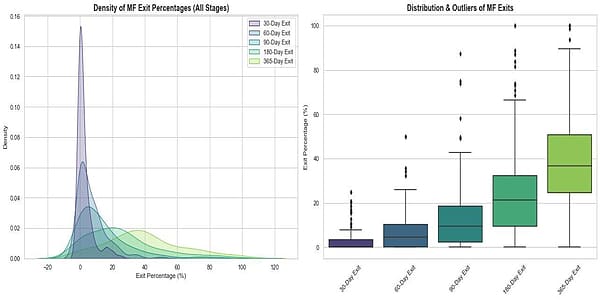
SEBI Study Finds Gradual Anchor Investor Exit from Mainboard IPOs

CBI Arrests CGST Superintendent in Rs. 1.5 Lakh Bribery Case

CBIC Proposes Mandatory Export Qualifiers for Textile Products
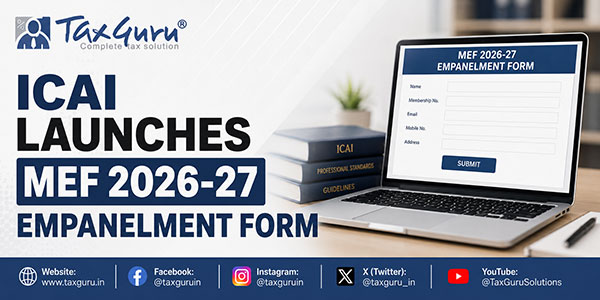
ICAI Launches MEF 2026-27 Empanelment Form
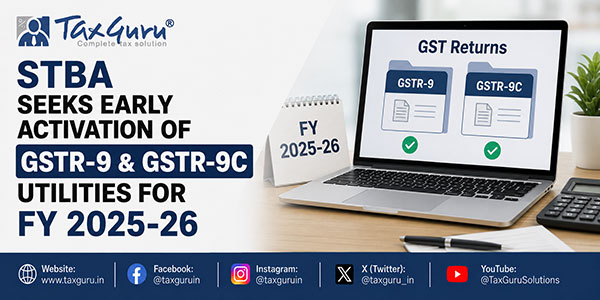
STBA Seeks Early Activation of GSTR-9 & GSTR-9C Utilities for FY 2025-26

SEBI Proposes Expanded Vault Manager Framework for Bullion

IFSCA Cautions Public Against Logo Misuse and Digital Scams
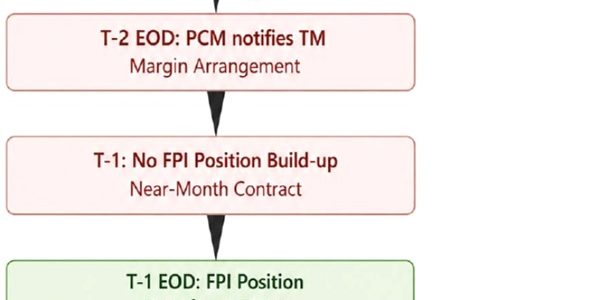
SEBI Proposes Wider FPI Access to Commodity Derivatives with Safeguards

IFSCA Directs Regulated Entities to Maintain Valid LoA at All Times

SEBI Proposes Higher ISIN Limits and Changes to Debt Listing Rules
News brings together important developments affecting taxpayers, businesses, professionals and the financial and regulatory ecosystem. TaxGuru covers news relating to Income Tax, GST, Company Law, Corporate Law, Customs, DGFT, FEMA/RBI, SEBI, finance, business, professional bodies and other tax and regulatory subjects. The category includes developments arising from government decisions, regulators, departments, courts, professional institutions and other relevant sources. Readers can use this page to stay informed about recent changes, announcements and developments having implications for taxation, compliance, finance, business and professional practice.

