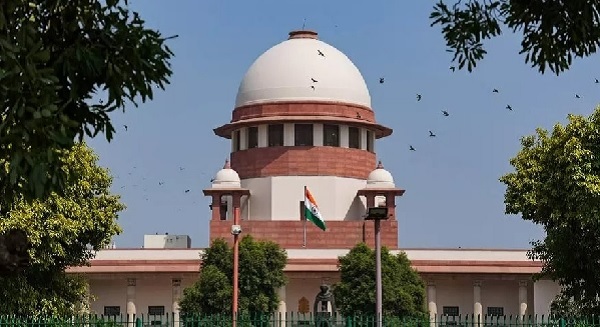
Sundaresh Bhat Vs Insolvency And Bankruptcy Board of India (Delhi High Court)
The case of Sundaresh Bhat vs. Insolvency and Bankruptcy Board of India (IBBI) revolves around disciplinary proceedings initiated by IBBI against Sundaresh Bhat, who served as the Liquidator for ABG Shipyard Limited during its insolvency proceedings. The IBBI’s Disciplinary Committee issued an order on 28.09.2022 suspending Sundaresh Bhat’s registration as a professional for a period of two years based on allegations of misconduct during his tenure as the Liquidator.
Background
ABG Shipyard Limited, a shipbuilding company, entered into insolvency proceedings under the Insolvency and Bankruptcy Code, 2016 (IBC) following an application by ICICI Bank. Sundaresh Bhat was appointed as the Interim Resolution Professional (IRP) and subsequently as the Liquidator by the National Company Law Tribunal (NCLT), Ahmedabad.
Allegations and Proceedings
The allegations against Sundaresh Bhat primarily centered around four main charges:
- Influencing Registered Valuer: Allegations that Sundaresh Bhat influenced registered valuers to alter asset valuations.
- Prescribing Non-refundable Participation Fee: Imposing non-refundable participation fees on bidders during the auction process, which was seen as contrary to the spirit of maximizing asset value under the IBC.
- Appointment of Unregistered Valuers: Appointing valuation firms that were not registered, thereby violating IBBI regulations.
- Engaging BRAL (BDO Restructuring Advisory LLP): Engaging BRAL, where Sundaresh Bhat was a partner, for support services and paying them fees higher than those paid to himself as Liquidator.
Proceedings and Findings
The IBBI conducted an inquiry, issued show-cause notices, and eventually passed an order suspending Sundaresh Bhat’s registration for two years. The findings of IBBI’s Disciplinary Committee were:
- On the charge of influencing registered valuers, IBBI took a lenient view and did not pursue further action.
- On prescribing non-refundable participation fees, IBBI found Sundaresh Bhat in violation of regulations aimed at maximizing asset value and discouraging potential bidders.
- On appointing unregistered valuers, IBBI found that although individuals were registered, they operated under unregistered firm names, violating regulatory provisions.
- On engaging BRAL, IBBI found Sundaresh Bhat’s actions to be aimed at circumventing fee regulations, benefiting a firm where he held a partnership, thereby violating IBBI regulations on conflict of interest and professional conduct.
Delhi High Court’s Evaluation
Sundaresh Bhat challenged IBBI’s order in the Delhi High Court. The Court considered arguments from both sides:
- Non-refundable Participation Fees: The Court noted that the regulations prohibiting such fees were introduced after the auctions in question, thus Sundaresh Bhat’s actions were not in direct violation of existing regulations at the time.
- Appointment of Unregistered Valuers: The Court acknowledged that while there were procedural irregularities, the valuations themselves were carried out by registered individuals, mitigating the severity of the charge.
- Engagement of BRAL: The Court found that engaging a firm in which Sundaresh Bhat was a partner, and paying them higher fees than those to himself as Liquidator, raised serious concerns about conflict of interest and adherence to fee regulations.
Court’s Decision
The Delhi High Court upheld IBBI’s findings on most charges but modified the penalty from a two-year suspension to the period already served (20 months). The Court emphasized the importance of upholding ethical standards and transparency in insolvency proceedings under the IBC. While acknowledging procedural lapses and leniency on certain charges, the Court highlighted the fiduciary duty of liquidators to act in the best interests of all stakeholders and avoid any appearance of impropriety.
Conclusion
The case of Sundaresh Bhat vs. IBBI underscores the critical role of liquidators in insolvency proceedings and the stringent ethical standards they must uphold. While the Court provided some relief by reducing the suspension period, it affirmed IBBI’s authority to enforce regulatory compliance and discipline errant professionals in the insolvency ecosystem.