
Type: News
Read latest TaxGuru news on taxation, GST, Income Tax, finance, business, corporate laws, regulatory developments and professional updates.

MCA Explains When Companies Face Penalties and Strike-Off

MCA Extends Companies Compliance Facilitation Scheme 2026 to 31 August

No Proposal to Scrap LTCG Tax: Finance Ministry

Finance Ministry Clarifies Section 43B(h) and 45-Day MSME Payment Rule
Govt Explains Enhanced Small Company Limits Under Companies Act

ICSI Invites Online Applications for 20 Executive Assistant Posts Across India
CCPA Initiates Against 41 Restaurants for Default Service Charge
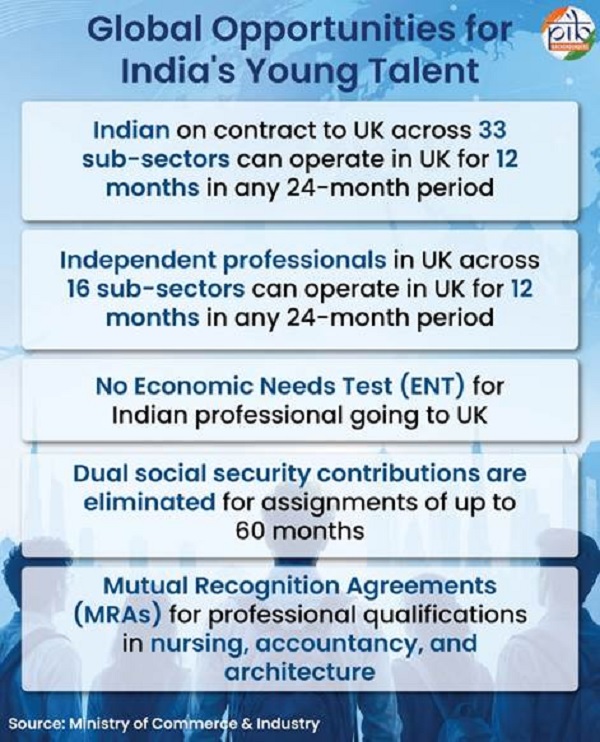
India–UK CETA to Strengthening Bilateral Trade and Investment

Appeal Restored as ITBA Upload Alone Is Not Valid Section 282 Service: ITAT Bangalore
ICAI Warns Against Unauthorized Access Attempts to Digital Platforms

IFSCA Advises Regulated Entities on FATF Updated High-Risk & Monitoring Lists
IFSCA Proposes Expanding Permitted Jurisdictions for IFSC Distribution Activities

ICAI Defers Implementation of Global Networking Guidelines 2025
ICSI Opens CSEET June 2026 Answer Book Portal Without RTI Requirement
News brings together important developments affecting taxpayers, businesses, professionals and the financial and regulatory ecosystem. TaxGuru covers news relating to Income Tax, GST, Company Law, Corporate Law, Customs, DGFT, FEMA/RBI, SEBI, finance, business, professional bodies and other tax and regulatory subjects. The category includes developments arising from government decisions, regulators, departments, courts, professional institutions and other relevant sources. Readers can use this page to stay informed about recent changes, announcements and developments having implications for taxation, compliance, finance, business and professional practice.

