
Type: Articles
Read latest TaxGuru articles on Income Tax, GST, Company Law, Finance, Customs, Corporate Law, FEMA, SEBI and other tax and business topics.
GST Portal Bank Account Validation: What Every Registered Taxpayer Must Do
Input Tax Credit Blockades Under Section 17(5)(a), (aa) & (ab) of CGST Act, 2017
GST Not Applicable on University Statutory Fees: Bombay HC (Goa Bench)
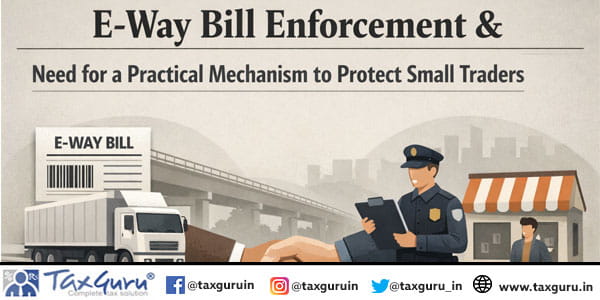
E-Way Bill Enforcement & Need for a Practical Mechanism to Protect Small Traders


CDSCO Registration: Medical Products in India

Maharashtra Professional Tax Guide – PTEC & PTRC Reference (with latest Update)

General Penalty Cannot Be Levied When Late Fee Is Imposed for GSTR-9 Delay: Madras HC
ITC Distribution by ISD Cannot Be Forced in Same Month as Invoice: Madras HC
Section 64 Summary Assessment: New Shortcut Weapon against Bona Fide Recipients
Articles on TaxGuru provide practical analysis, commentary and explanations across taxation, finance, corporate and business laws. This category brings together articles on Income Tax, GST, Company Law, Corporate Law, Customs, DGFT, Excise, Service Tax, FEMA/RBI, SEBI, finance and professional matters concerning CA, CS and CMA. Readers can explore contributions discussing statutory provisions, compliance requirements, regulatory changes, professional developments and practical issues affecting taxpayers and businesses. Chartered Accountants, Company Secretaries, Cost Accountants, advocates, tax professionals, businesses and taxpayers can use this archive to discover recent articles as well as useful earlier reference material published on TaxGuru.

