
Goods and Services Tax
Type: Articles
Read latest TaxGuru articles on Income Tax, GST, Company Law, Finance, Customs, Corporate Law, FEMA, SEBI and other tax and business topics.


Goods and Services Tax
GST SCN Cannot Cover Multiple Financial Years: Bombay High Court
Goods and Services Tax
Detention vs Confiscation in GST Transit Checks

Goods and Services Tax
When an E-Way Bill Expires During Export Transit Can GST Authorities Impose Huge Penalty?

Corporate Law
EPR for Batteries: Rules & Responsibilities

Goods and Services Tax
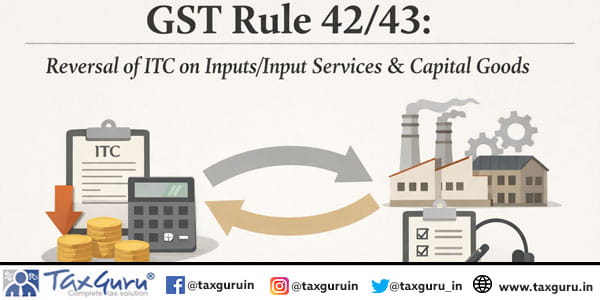
GST Rule 42/43: Reversal of ITC on Inputs/Input Services & Capital Goods
Articles on TaxGuru provide practical analysis, commentary and explanations across taxation, finance, corporate and business laws. This category brings together articles on Income Tax, GST, Company Law, Corporate Law, Customs, DGFT, Excise, Service Tax, FEMA/RBI, SEBI, finance and professional matters concerning CA, CS and CMA. Readers can explore contributions discussing statutory provisions, compliance requirements, regulatory changes, professional developments and practical issues affecting taxpayers and businesses. Chartered Accountants, Company Secretaries, Cost Accountants, advocates, tax professionals, businesses and taxpayers can use this archive to discover recent articles as well as useful earlier reference material published on TaxGuru.

