
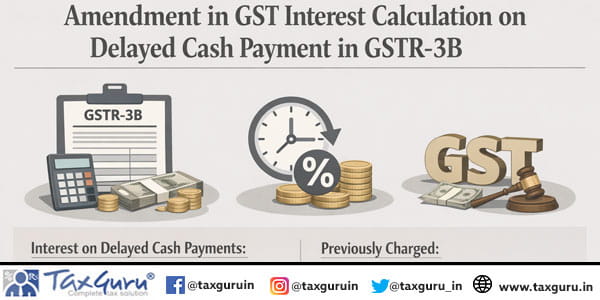
Goods and Services Tax
Type: Articles
Read latest TaxGuru articles on Income Tax, GST, Company Law, Finance, Customs, Corporate Law, FEMA, SEBI and other tax and business topics.

Goods and Services Tax
Retrospective GST Cancellation and ITC Denial: Courts Protect Bona Fide Buyers


Goods and Services Tax
Practical Guideline for Filing Appeals before GSTAT
Goods and Services Tax
Advisory regarding confirmation of Tax Liability Breakup, As Applicable in GSTR-3B


Goods and Services Tax
GST Reconciliation Errors Every Taxpayer Must Identify Before Filing Returns
Goods and Services Tax
Portal Upload Alone Can Cost Your GST Appeal: Service & Section 169 Limitation
![Application for Registration (Non-Profit Organisation) [Section 332]](https://taxguru.in/wp-content/uploads/2026/07/Income-Tax-1.jpg)

Goods and Services Tax
Mere Clerical Errors in GSTR-1 Without Revenue Loss Cannot Justify SCN: Karnataka HC


Articles on TaxGuru provide practical analysis, commentary and explanations across taxation, finance, corporate and business laws. This category brings together articles on Income Tax, GST, Company Law, Corporate Law, Customs, DGFT, Excise, Service Tax, FEMA/RBI, SEBI, finance and professional matters concerning CA, CS and CMA. Readers can explore contributions discussing statutory provisions, compliance requirements, regulatory changes, professional developments and practical issues affecting taxpayers and businesses. Chartered Accountants, Company Secretaries, Cost Accountants, advocates, tax professionals, businesses and taxpayers can use this archive to discover recent articles as well as useful earlier reference material published on TaxGuru.

