
Type: Articles
Read latest TaxGuru articles on Income Tax, GST, Company Law, Finance, Customs, Corporate Law, FEMA, SEBI and other tax and business topics.



GST Multistate Registration Facility: What It Does and What It Doesn’t
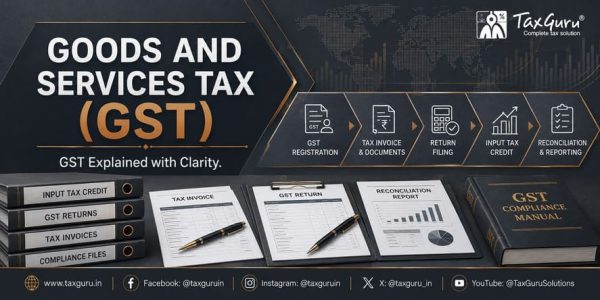
GST Time of Supply: When Liability Arises Under Sections 12, 13 and 14
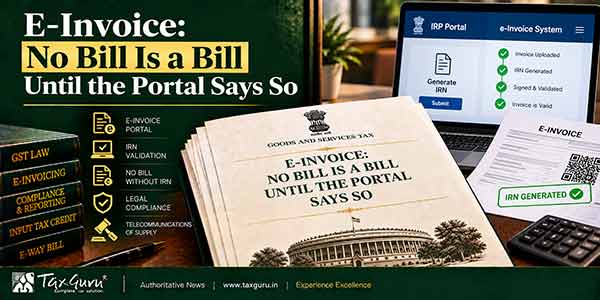
E-Invoice: No Bill Is a Bill Until the Portal Says So

Place of Supply Under GST: Domestic, Cross-Border and Intermediary Service Rules
Section 16(2)(c) Valid but Mechanical ITC Reversal Barred: Punjab & Haryana HC
GST Rule 86B on Tobacco Traders: Section 49(12), RSP Valuation & Constitutional Challenge
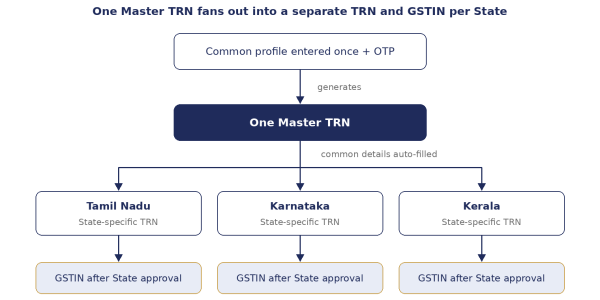
GST Multi-State Registration: Apply in Several States with One Master TRN
Articles on TaxGuru provide practical analysis, commentary and explanations across taxation, finance, corporate and business laws. This category brings together articles on Income Tax, GST, Company Law, Corporate Law, Customs, DGFT, Excise, Service Tax, FEMA/RBI, SEBI, finance and professional matters concerning CA, CS and CMA. Readers can explore contributions discussing statutory provisions, compliance requirements, regulatory changes, professional developments and practical issues affecting taxpayers and businesses. Chartered Accountants, Company Secretaries, Cost Accountants, advocates, tax professionals, businesses and taxpayers can use this archive to discover recent articles as well as useful earlier reference material published on TaxGuru.

