
Type: Articles
Read latest TaxGuru articles on Income Tax, GST, Company Law, Finance, Customs, Corporate Law, FEMA, SEBI and other tax and business topics.


लॉन्ग लाइन” का लोचा: जब व्याकरण टैक्स कानून पर भारी पड़ जाए



Buying a Delivery Van? Here’s How GST Treats Input Tax Credit

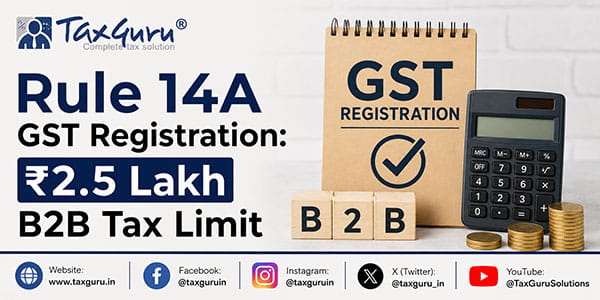
Rule 14A GST Registration: ₹2.5 Lakh B2B Tax Limit

NPAs and Recovery from Guarantors under SARFAESI

Reporting Outward Supplies under RCM in Form GSTR-3B: FAQs

Route Deviation Alone Does Not Justify GST Detention or Penalty
Articles on TaxGuru provide practical analysis, commentary and explanations across taxation, finance, corporate and business laws. This category brings together articles on Income Tax, GST, Company Law, Corporate Law, Customs, DGFT, Excise, Service Tax, FEMA/RBI, SEBI, finance and professional matters concerning CA, CS and CMA. Readers can explore contributions discussing statutory provisions, compliance requirements, regulatory changes, professional developments and practical issues affecting taxpayers and businesses. Chartered Accountants, Company Secretaries, Cost Accountants, advocates, tax professionals, businesses and taxpayers can use this archive to discover recent articles as well as useful earlier reference material published on TaxGuru.

