Case Law Details
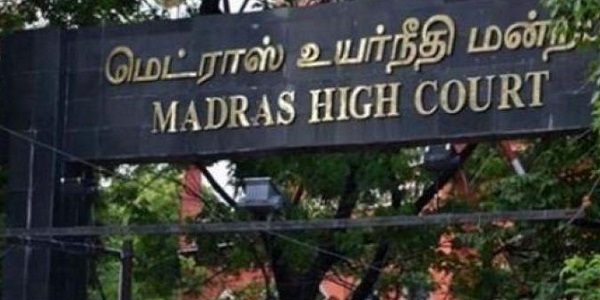
G K lnfrastructure Vs Assistant Commissioner of Central Tax (Telangana High Court)
Telangana HC Permits GST Taxpayer to Withdraw Writ Petition & Avail Statutory Appeal Remedy
In a significant GST ruling, the Telangana High Court reiterated the importance of exhausting statutory appellate remedies before invoking writ jurisdiction. The Court allowed the petitioner to withdraw the writ petition challenging a GST demand order and granted liberty to approach the appellate authority under Section 107 of the CGST Act, 2017.
Importantly, the Court directed that if the appeal is filed within two weeks, the appellate authority should consider it in accordance with law while taking into account that the petitioner had been pursuing the matter before the High Court.
Introduction
The Telangana High Court in W.P. No. 35311 of 2025 dealt with a challenge to an adjudication order passed under Section 73 of the Central Goods and Services Tax Act, 2017.
The petitioner had directly approached the High Court challenging:
- Order-in-Original dated 20.12.2024; and
- Summary Order in Form GST DRC-07 dated 31.01.2025,
through which substantial tax, interest, and penalty liabilities were imposed.
During the hearing, however, the petitioner sought permission to withdraw the writ petition and pursue the statutory appellate remedy available under the GST law.
Background of the Case
The dispute arose from GST proceedings relating to the tax period:
June 2019 to October 2019
The department had passed:
- Order-in-Original dated 20.12.2024 under Section 73 of the CGST Act, 2017; and
- Form GST DRC-07 dated 31.01.2025.
The impugned order imposed:
- Tax Demand: ₹2,46,49,966/-
- Applicable Interest
- Applicable Penalty
Aggrieved by the order, the petitioner initially approached the Telangana High Court under Article 226 of the Constitution.
Key Legal Issue
The principal issue before the Court was:
Whether the petitioner should be permitted to withdraw the writ petition and pursue the statutory appellate remedy under Section 107 of the CGST Act, 2017?
Petitioner’s Submissions
The petitioner submitted that:
- It intended to challenge the GST demand before the appellate authority.
- The statutory remedy under Section 107 of the CGST Act was available.
- Since the petitioner had been pursuing the matter before the High Court, the appellate authority should be requested to consider any delay sympathetically.
Accordingly, permission was sought to withdraw the writ petition.
Department’s Stand
The Revenue contended that:
- The petitioner had bypassed the statutory appellate mechanism.
- Instead of filing an appeal under Section 107, the petitioner directly invoked writ jurisdiction.
- The writ petition was filed after some delay.
Court’s Observations
The Telangana High Court noted that:
- The petitioner was no longer pressing the writ petition on merits.
- The petitioner wished to avail the statutory appellate remedy.
- Since an appeal mechanism exists under the GST law, it would be appropriate for the petitioner to pursue that remedy.
The Court therefore refrained from examining the merits of the tax dispute.
Final Directions Issued by the Court
The Telangana High Court disposed of the writ petition with the following directions:
√ Liberty to File Appeal
The petitioner was permitted to withdraw the writ petition and approach the appellate authority under Section 107 of the CGST Act, 2017.
√ Two Weeks’ Time Granted
The petitioner was granted two weeks from the date of the order to file the appeal.
√ Delay to Be Considered Sympathetically
The appellate authority was directed to:
- Consider the appeal in accordance with law;
- Take into account that the petitioner had been pursuing the remedy before the High Court;
- Not be unduly influenced by the delay in approaching the appellate forum.
√ No Decision on Merits
The High Court expressly declined to examine the merits of the GST demand.
√ No Costs
The writ petition was disposed of without any order as to costs.
Author’s Analysis
1. Reinforcement of the Alternative Remedy Principle
The judgment reinforces the settled principle that where an effective statutory remedy exists, taxpayers should ordinarily pursue that remedy before invoking writ jurisdiction.
GST appellate authorities are specifically empowered to examine:
- Questions of fact;
- Questions of law;
- Tax computations;
- Procedural defects; and
- Evidentiary issues.
2. Relief for Taxpayers Who Initially Approach High Courts
An important aspect of the ruling is the Court’s recognition that taxpayers may sometimes approach constitutional courts before pursuing statutory remedies.
By directing the appellate authority to consider the period spent in writ proceedings, the Court ensured that taxpayers are not unduly prejudiced for having initially approached the wrong forum.
3. Section 107 Remains the Primary Remedy
The judgment once again highlights the importance of Section 107 of the CGST Act, which provides a comprehensive appellate mechanism against adjudication orders.
Courts generally expect taxpayers to exhaust this remedy unless exceptional circumstances such as:
- Jurisdictional errors,
- Violation of natural justice, or
- Constitutional challenges
are involved.
4. High Courts Avoid Merits When Statutory Appeals Are Available
The Court deliberately refrained from expressing any opinion on the validity of the demand.
This preserves the petitioner’s right to fully argue:
- Tax liability;
- Interest;
- Penalty;
- Procedural irregularities; and
- Legal defenses
before the appellate authority.
5. Practical Guidance for GST Taxpayers
The ruling serves as a reminder that taxpayers challenging GST adjudication orders should carefully evaluate whether:
- A statutory appeal is available; and
- The dispute can be effectively resolved before the appellate forum.
Approaching the appellate authority at the earliest stage often avoids unnecessary litigation and procedural complications.
Conclusion
The Telangana High Court in W.P. No. 35311 of 2025 permitted the taxpayer to withdraw the writ petition challenging a GST demand of ₹2.46 crore and pursue the statutory appellate remedy under Section 107 of the CGST Act, 2017.
The Court directed that if the appeal is filed within two weeks, the appellate authority should consider it in accordance with law while taking into account that the petitioner had been pursuing the matter before the High Court.
Key Takeaway: GST taxpayers challenging adjudication orders should ordinarily pursue the statutory appeal mechanism under Section 107. Courts may permit withdrawal of writ petitions and protect taxpayers from adverse consequences arising from time spent pursuing remedies before the wrong forum.
FULL TEXT OF THE JUDGMENT/ORDER OF TELANGANA HIGH COURT
Mr. Venkat Prasad, learned counsel representing M/s. P V Prasad Associates, appears for petitioner.
Mr. Dominic Fernandes, learned Senior Standing Counsel for Central Board of Indirect Taxes & Customs (CBIC) appears for respondent Nos.1 and 2.
2. Order-in-original dated 20.12.2024 and Summary of the order in FORM GST DRC-07 dated 31.01.2025 for the tax period from June, 2019 to October, 2019 passed under Section 73 of the Central Goods and Services Tax Act, 2017 (for short ‘the CGST Act, 2017’), imposing tax liability of Rs.2,46,49,966/- along with interest and penalty is under challenge in the present Writ Petition.
3. Learned counsel for the petitioner after some arguments seeks permission of this Court to withdraw the instant Writ Petition in order to approach the appellate authority under Section 107(1) of the CGST Act, 2017. He submits that the appellate authority may be directed to consider the delay sympathetically as the petitioner had approached this Court.
4. Learned Senior Standing Counsel for CBIC submits that the petitioner has bypassed the statutory remedy of appeal and approached this Court after some delay.
5. Be that as it may, since the petitioner wants to avail the appellate remedy, this Writ Petition is disposed of without going into the merits of the matter. If the appeal is preferred within a period of two weeks from today, the appellate authority would consider the same, in accordance with law, without being persuaded by any delay in approaching it and also taking into account that the petitioner was pursuing the remedy before this Court. There shall be no order as to costs.
Miscellaneous applications, if any pending, shall stand closed