

Company Law
Type: Articles
Read latest TaxGuru articles on Income Tax, GST, Company Law, Finance, Customs, Corporate Law, FEMA, SEBI and other tax and business topics.

Goods and Services Tax
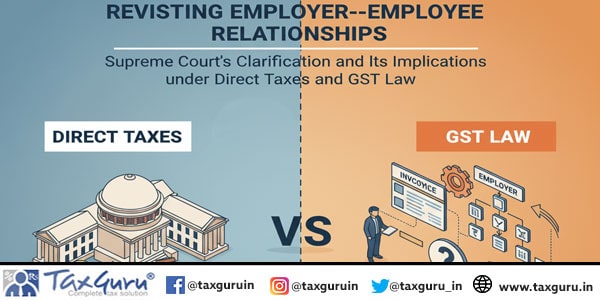
Understanding GST: Textualism versus Pragmatism

Corporate Law
Legal Vacuum Behind Airport Retail Monopolies in India



Goods and Services Tax
GSTR-9 and GSTR-9C: Step-by-Step Guide to GST Annual Compliance

Goods and Services Tax
Form GST ASMT-10: Meaning, Procedure & Reply under Section 61 of CGST Act



Goods and Services Tax
Issue of Single SCN for Multiple Years: Divergent Observations by Bombay HC
Income Tax
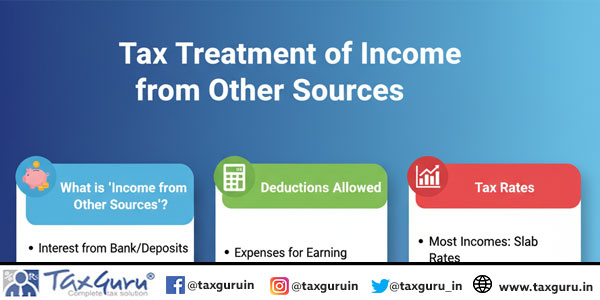
Tax Treatment of Income from Other Sources
Articles on TaxGuru provide practical analysis, commentary and explanations across taxation, finance, corporate and business laws. This category brings together articles on Income Tax, GST, Company Law, Corporate Law, Customs, DGFT, Excise, Service Tax, FEMA/RBI, SEBI, finance and professional matters concerning CA, CS and CMA. Readers can explore contributions discussing statutory provisions, compliance requirements, regulatory changes, professional developments and practical issues affecting taxpayers and businesses. Chartered Accountants, Company Secretaries, Cost Accountants, advocates, tax professionals, businesses and taxpayers can use this archive to discover recent articles as well as useful earlier reference material published on TaxGuru.

