
Type: Articles
Read latest TaxGuru articles on Income Tax, GST, Company Law, Finance, Customs, Corporate Law, FEMA, SEBI and other tax and business topics.


RSP-based Valuation under GST: Constitutional Limits & Structural Incompatibility

Discrepancy In Stock And Action Under Section 130 of CGST Act, 2017
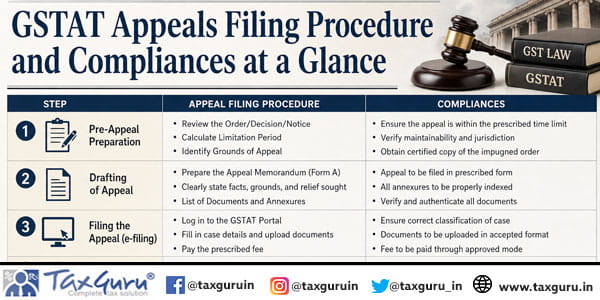
GSTAT Appeals Filing Procedure and Compliances at a Glance

Section 54(3) Rewritten: Finance Bill 2026 Overturns VKC Footsteps Extending Inverted Duty
GST TDS Compliance for April 2026: Due Date, Rules & Key Requirements
Filing GST Returns vs. Filing GST Returns Correctly: Why Accuracy Matters?

BIS FMCS Certification: Guide for Foreign Manufacturers
Articles on TaxGuru provide practical analysis, commentary and explanations across taxation, finance, corporate and business laws. This category brings together articles on Income Tax, GST, Company Law, Corporate Law, Customs, DGFT, Excise, Service Tax, FEMA/RBI, SEBI, finance and professional matters concerning CA, CS and CMA. Readers can explore contributions discussing statutory provisions, compliance requirements, regulatory changes, professional developments and practical issues affecting taxpayers and businesses. Chartered Accountants, Company Secretaries, Cost Accountants, advocates, tax professionals, businesses and taxpayers can use this archive to discover recent articles as well as useful earlier reference material published on TaxGuru.

