#AD
Many traders start derivatives trading with a clear plan in mind. The idea is simple – pick a contract, decide the risk, set a target, and place the trade. What often surprises new traders is that the market does not run only on price movement.
Rules in the background influence every order placed.
Position limits decide how much exposure is allowed.
Margins, trading hours, and intraday square-off timings decide how long a trade can stay open.
Sudden restrictions can change the outcome of a trade without any warning on the chart.
This is how the Securities and Exchange Board of India (SEBI) regulations set the framework for the market.
For anyone new to derivatives, knowing these limits early helps avoid confusion, missed trades, and forced exits that feel unexpected at the time.

What is SEBI and Why Does it Regulate Derivatives?
Established in 1988 and empowered by law in 1992, SEBI is the watchdog of India’s capital markets, regulating brokers, stock exchanges, and listed companies.
Its mandate is simple- protect investors and keep markets fair and orderly. In derivatives trading, this role becomes especially relevant.
SEBI regulations and limitations for derivatives trading
Futures and options allow traders to take large positions with relatively small capital, which can amplify both profits and losses. SEBI steps in to define margins, position limits, and eligibility rules to prevent risk from spiraling out of control.
These regulations shape how F&O trading actually works in practice, influencing exposure, liquidity, and market behaviour across different trading conditions.
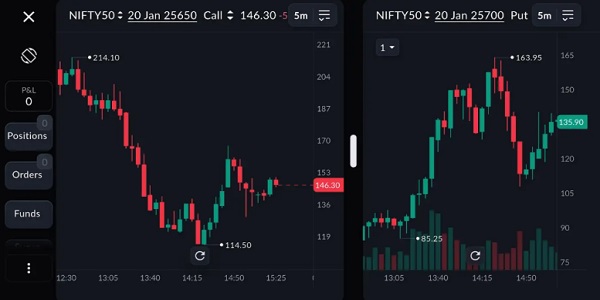
You can now trade derivatives seamlessly on the Sahi trading app [sahi.com]. With the help of smart indicators, dual chart view, and other exclusive features, you can place orders from a single screen, without constantly switching windows or tabs.
What are the New SEBI Regulations for Derivatives Trading?
SEBI introduced new regulations through Circular No. SEBI/HO/MRD/TPD/CIR/P/2025/122, issued on September 1, 2025.
The circular lays out a new framework for intraday trading in equity index derivatives, focusing on exposure limits, monitoring, and enforcement – effective from October 1, 2025.
Here’s what they mean in practice:
1. Limitations on intraday position
SEBI has set the intraday net position limit in index derivatives at ₹5,000 crore per entity, up from the earlier end-of-day net limit of ₹1,500 crore. This means the difference between buy and sell positions cannot go beyond this level at any point during the day.
SEBI’s aim is to prevent oversized bets that can swing markets sharply within a few hours.
2. Caps on total open positions
On a combined basis, total buy and sell positions taken during the day are capped at ₹10,000 crore per entity. This restricts excessive churn and prevents large players from building very large positions on both sides of the market during intraday trading.
3. Closer tracking during market hours
Stock exchanges will now check positions at least four times a day, picked at random. One check will always happen between 2:45 PM and 3:30 PM, a period that often sees heavy trading.
These checks assess intraday exposure and margin adequacy, ensuring traders do not run positions beyond permitted limits during the session. As a result, intraday trading will be under continuous regulatory supervision rather than being assessed only at the end of the day.
4. Stricter action on expiry days
From December 6, 2025, crossing these limits on expiry days can lead to penalties or extra deposits. Exchanges may review such trades more closely and report repeated breaches, signalling tighter control during high-risk expiry sessions.
In other news – SEBI options trading rules introduced an additional 2% margin on short option positions on expiry day and removed reduced margins for offsetting positions across different expiries on that day. The rules now require option buyers to pay 100% of the premium at the time of order placement.
Why Do These SEBI Regulations Matter To Investors
For investors, knowing these updated SEBI regulations and limitations is crucial:
- Limiting exposure during the day helps cool down short-term trades and avoid margin calls, especially on expiry days when price swings are usually sharper.
- Tighter limits and closer tracking during market hours reduce the risk of very large positions influencing prices unfairly.
- The rules set boundaries on big-shot traders without choking liquidity, so regular derivatives trading can continue smoothly.
- Clear exposure caps and live checks make the system more predictable, giving you better visibility into how risk is managed across the market.
Know more about how these tax regulations and charges impact your trading here.
Tips to Trade Well Under the New Rules
- Plan position size before entry. The new limits make oversized positions risky, so align trade size with available margin and realistic exit plans.
- Expiry sessions see tighter checks and higher risk. Keep margins flexible, avoid late aggressive positions, and stay cautious with unhedged trades.
- Keep an eye on how your net and gross positions build up through the session, especially during fast market moves.
- Keep stop-loss or hedging plans ready to lock in profits and avoid last-minute or emotion-based exits.
Final Take
SEBI has tightened derivatives trading rules to strike a balance between opportunity and safety. SEBI regulations aim to reduce sharp intraday swings, control oversized risk, and keep trading fair for all participants.
For traders, this means clearer trading rules, defined limits, and fewer surprises during volatile sessions. The upside remains, though discipline matters more than ever.
Staying aware of F&O rules, margin changes, and fresh circulars is now part of regular trading prep. Markets change through policy as much as price, and if you keep track of both, it’ll help you prepare better for long-term consistency.
*****
Disclaimer: The given information is not investment advice. Kindly consult a financial expert before investing in stocks or index derivatives.