#AD
Everyone’s first salary story is basically the same. Money lands, disappears in a week on food, random subscriptions you forgot you signed up for, and one Amazon order you genuinely don’t remember placing. By the 25th, you’re living off UPI notifications and vibes. Investing gets filed under “later,” something for when you’re settled. Thing is, later doesn’t really show up on its own. You have to start it, even with something small.
So here’s how to start investing as a beginner, minus the jargon everyone throws around like it’s obvious.
Understand What Investing Means
Investing is putting your money somewhere with a shot at growing over time, stocks, funds, gold, pick your poison. Saving’s different, your money just sits in the account doing nothing much. Investing actually puts it to work. Comes with risk though, depends where it’s parked.
Set Your Financial Goals
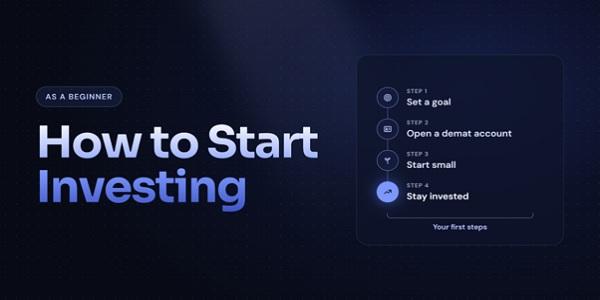
Know why you’re investing before you put a single rupee anywhere. A Goa trip next year needs a totally different plan than retirement or a house someday. Your goal decides the strategy. Skip this and you’ll end up holding stuff that doesn’t match what you actually needed.
Build an Emergency Fund First
Nobody wants to hear this before the fun part, but it matters more than your first stock pick. This is money set aside for the stuff you don’t see coming, a layoff, a hospital visit, your bike randomly dying on you. Three to six months of expenses, kept somewhere you can grab it fast, not tied up in investments you’d have to dump in a panic.
Understand Your Risk Tolerance
Some investments jump around a lot. Others just sit there. Neither’s wrong, it’s about how much of that jumping around you can actually stomach. If your money dropping would wreck your whole week, go steadier. If you can shrug it off for a shot at bigger growth, you’ve got more room to play with. Be real with yourself though, everyone thinks they’re chill until the number turns red.
Decide How Much You Can Invest
You don’t need a fat number to start. Just something you won’t miss if it’s tied up for a while. Rule of thumb, only invest what you don’t need soon, and starting small’s genuinely fine. Showing up consistently beats going big once and disappearing.
Explore: Best Debt Free Penny Stocks
Choose the Right Investment Options
There’s no single right answer here, it comes down to your goals, how much risk you can handle, and how involved you actually want to be. This is where research helps, and Trackk makes it less of a chore. Its Stock Report feature breaks down any stock for you, verdict, target, stop-loss, done in a couple minutes. Compare Stocks lets you line up two options across valuation, debt, growth, risk. Prebuilt Screeners give you ready-made, themed lists so you’re not building filters from scratch. A quick rundown of what’s out there:
Stocks, owning a slice of a company, decent long-term upside, but you’ll feel the day-to-day noise too.
Mutual funds, your money pooled with everyone else’s, run by a fund house that either picks stocks actively or just tracks an index. Good if you don’t want to babysit individual stocks yourself.
ETFs, similar deal but trades on the exchange like a regular stock, cheaper to hold usually, and you can buy or sell whenever you want during the day.
Bonds and fixed-income stuff, basically lending money to a company or the government for regular interest in return. Steadier, though the growth’s usually lower too.
And gold, the boring uncle of your portfolio. Doesn’t do much most years, but tends to show up when everything else is having a bad time.
Open a Demat and Trading Account
You’ll need a demat account to hold your shares electronically, and a trading account to actually place buy and sell orders. Standard stuff. Worth picking a platform that also pushes you to research, not one that just lets you smash buy without thinking. That’s really where a Trackk Investing App fits in, giving you the tools to know what you’re putting money into while you’re getting set up.
Learn the Basics Before You Invest
Don’t need to become an expert overnight. Just get the basics down, what a stock actually is, how prices move, what valuation or debt even mean. A bit of reading now saves a bunch of confusion (and probably a few dumb decisions) later.
How to Choose Your First Investment
Your first pick doesn’t need to be the perfect one. It just needs to match your goals and how much risk you’re okay with. A lot of people start with something broad, an index fund, or a big, stable company, before going niche. Don’t let “picking the right one” freeze you from picking anything at all.
How to Build a Diversified Portfolio
Diversification’s simple, don’t dump everything into one thing. Spread it, different sectors, different asset types, maybe stocks plus ETFs plus a bit of gold. One bad performer shouldn’t be able to sink the whole thing. It’s less about squeezing max value out of every pick and more about not getting wiped out by one bad call.
Start With Small Amounts
Forget lakhs. On Trackk, you can start with just ₹100. So there’s really no excuse waiting for some “right” amount that may never actually turn up. Start small, get used to it, build from there.
Understand Risk and Returns
Bigger potential returns, bigger risk. That trade-off never really goes away. Steadier stuff grows slower but skips the gut-punch swings. Knowing where you actually sit on that scale keeps you from picking something exciting on paper that has you checking your phone at 2am instead.
Avoid Common Investing Mistakes
Don’t buy just because something’s trending. Two-minute applications don’t mean research stopped mattering. Don’t invest money you might need next month. Don’t panic-sell the second red shows up. And one lucky pick doesn’t make you a genius, showing up consistently matters way more than that.
Wrapping This Up
Investing for beginners was never about knowing it all on day one. It’s about starting with some kind of plan, even a tiny one, and sticking with it. Whether you’re figuring out how to start investing in India or just trying to understand how to invest money for the first time without overthinking every step, a Trackk Investing App setup makes that first move a lot less scary.
So, what’s actually stopping you from putting in your first ₹100 today?