
Type: News
Read latest TaxGuru news on taxation, GST, Income Tax, finance, business, corporate laws, regulatory developments and professional updates.

ICAI & ICAI RVO issues Concept Paper on All About Fair Value
Draft Guidance Note on Applicability of AS 25 & Measurement of Income Tax Expense for Interim Financial Results
ICAI postpones CA Examinations, May 2020
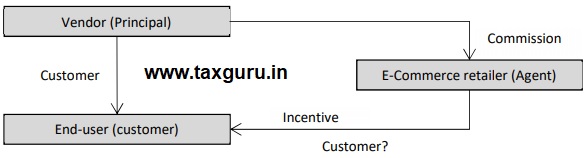
Draft Guidance Note on Accounting by E-commerce & Cloud Computing Companies

GSTN ensured ‘Business as Usual’ for GST Helpdesk amid Lockdown

ICSI Requests MCA for Relaxations from Company Law Compliance

Representation to reduce TDS rate on Professional Fees to 2%
Postponement of CMA Examinations for June, 2020 Term

EPFO makes filing of ECR easier for business
Discussion Paper Business Combinations—Disclosures, Goodwill & Impairment

ICSI Postpones CS Examinations, June-2020 session
Conceptual Approach to Board Reporting Framework A Post COVID-19 Corporate Governance Perspective
ED on Revenue with & without Performance Obligations & Transfer Expenses of IPSAS
ICAI advisory on mentioning fees in Advertisements issued by Members
News brings together important developments affecting taxpayers, businesses, professionals and the financial and regulatory ecosystem. TaxGuru covers news relating to Income Tax, GST, Company Law, Corporate Law, Customs, DGFT, FEMA/RBI, SEBI, finance, business, professional bodies and other tax and regulatory subjects. The category includes developments arising from government decisions, regulators, departments, courts, professional institutions and other relevant sources. Readers can use this page to stay informed about recent changes, announcements and developments having implications for taxation, compliance, finance, business and professional practice.

