
Type: Articles
Read latest TaxGuru articles on Income Tax, GST, Company Law, Finance, Customs, Corporate Law, FEMA, SEBI and other tax and business topics.


Centralised Administration of Multi-GSTIN Taxpayers: A Welcome Reform, but with Guardrails

ITC Can’t Be Denied Due to Supplier’s Retrospective GST Cancellation: SC
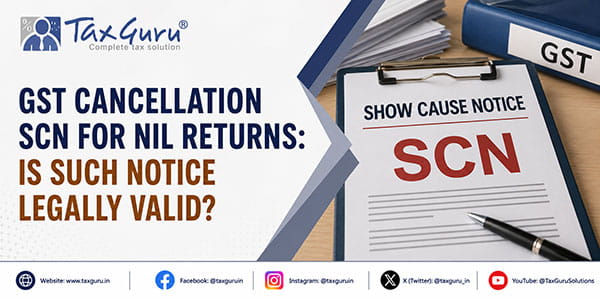
GST Cancellation SCN for NIL Returns: Is Such Notice Legally Valid?

Safari Retreats: Why SC ITC Relief on Malls, Hotels & Warehouses Short-Lived

GST 2.0 & IMS: How to Claim ITC Without Getting Blocked

Gameskraft Judgment Decoded: GST on Online Gaming

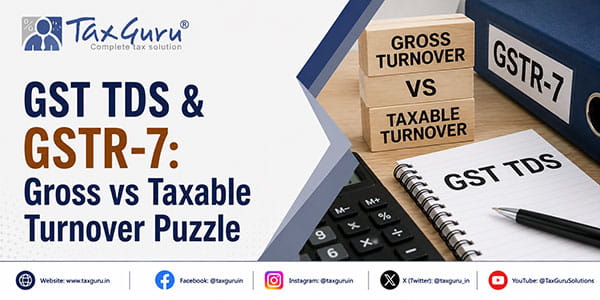
GST TDS & GSTR-7: Gross vs Taxable Turnover Puzzle

Articles on TaxGuru provide practical analysis, commentary and explanations across taxation, finance, corporate and business laws. This category brings together articles on Income Tax, GST, Company Law, Corporate Law, Customs, DGFT, Excise, Service Tax, FEMA/RBI, SEBI, finance and professional matters concerning CA, CS and CMA. Readers can explore contributions discussing statutory provisions, compliance requirements, regulatory changes, professional developments and practical issues affecting taxpayers and businesses. Chartered Accountants, Company Secretaries, Cost Accountants, advocates, tax professionals, businesses and taxpayers can use this archive to discover recent articles as well as useful earlier reference material published on TaxGuru.

