
Type: Articles
Read latest TaxGuru articles on Income Tax, GST, Company Law, Finance, Customs, Corporate Law, FEMA, SEBI and other tax and business topics.

Rajasthan HC Awards ₹5 Lakh Costs for Arbitrary Suspension of IRS Officer
Section 10(14)(i): The Tax Refund Secret for Salaried Individuals

GST Notifications Without Council Recommendation Are Ultra Vires: Madras HC
Non-attendance in GST first appeals- Dismissal for Default or Disposal on Merits?

Procurement to Payment Process Strengthens Controls & Risk Management

SEZ to DTA Duty Relief: A Time-Bound Opportunity with Stringent Conditions
DPDP Act 2023: Simple Guide for Businesses in India
Nothing Less Than Life Or Death Penalty Will Suffice For Anti-Paper Leak Bill
Physical Verification Report: The Start of Better Decisions

Why Freelancers and Small Business Owners May Need a Current Account Earlier Than They Think

Home Loan Eligibility: Calculate How Much You Can Borrow
Section 54F Computation Error in ITR Utility and Tax Software (AY 2026-27)
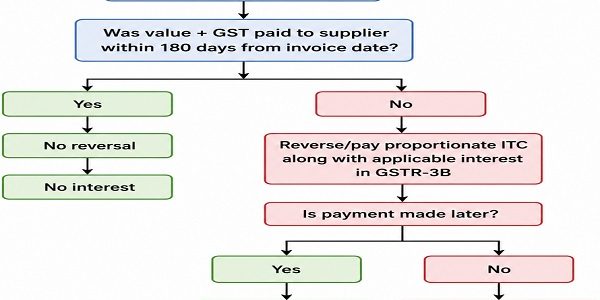
180-Day Payment Condition under GST

Top AI-Based Stock Brokers in India
Articles on TaxGuru provide practical analysis, commentary and explanations across taxation, finance, corporate and business laws. This category brings together articles on Income Tax, GST, Company Law, Corporate Law, Customs, DGFT, Excise, Service Tax, FEMA/RBI, SEBI, finance and professional matters concerning CA, CS and CMA. Readers can explore contributions discussing statutory provisions, compliance requirements, regulatory changes, professional developments and practical issues affecting taxpayers and businesses. Chartered Accountants, Company Secretaries, Cost Accountants, advocates, tax professionals, businesses and taxpayers can use this archive to discover recent articles as well as useful earlier reference material published on TaxGuru.

