
Type: Articles
Read latest TaxGuru articles on Income Tax, GST, Company Law, Finance, Customs, Corporate Law, FEMA, SEBI and other tax and business topics.



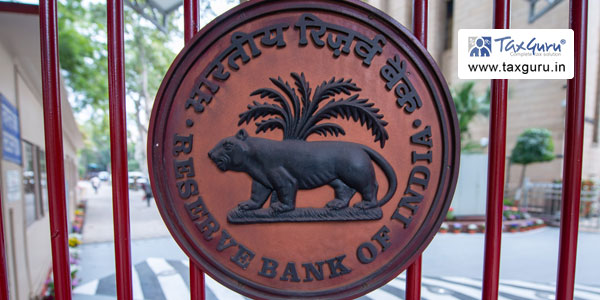


P&H HC Quashes GST Case Against Director, Company Not Made Accused

Incremental GST Reimbursement Lies Against Employer, Not State: Karnataka HC
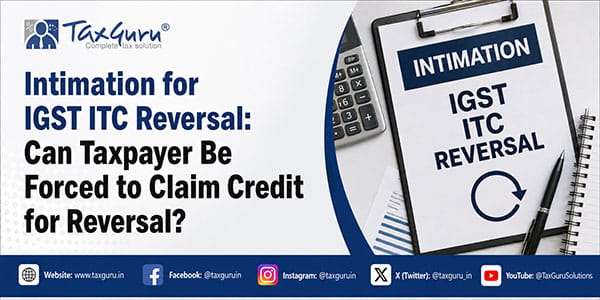
Intimation for IGST ITC Reversal: Can Taxpayer Be Forced to Claim Credit for Reversal?
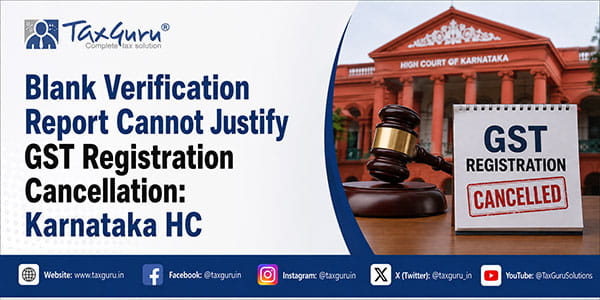
Blank Verification Report Cannot Justify GST Registration Cancellation: Karnataka HC

Time Spent in GST Rectification Excludible for Appeal Limitation: Gauhati HC
Articles on TaxGuru provide practical analysis, commentary and explanations across taxation, finance, corporate and business laws. This category brings together articles on Income Tax, GST, Company Law, Corporate Law, Customs, DGFT, Excise, Service Tax, FEMA/RBI, SEBI, finance and professional matters concerning CA, CS and CMA. Readers can explore contributions discussing statutory provisions, compliance requirements, regulatory changes, professional developments and practical issues affecting taxpayers and businesses. Chartered Accountants, Company Secretaries, Cost Accountants, advocates, tax professionals, businesses and taxpayers can use this archive to discover recent articles as well as useful earlier reference material published on TaxGuru.

