
Type: Articles
Read latest TaxGuru articles on Income Tax, GST, Company Law, Finance, Customs, Corporate Law, FEMA, SEBI and other tax and business topics.



GST Annual Return Reconciliation and GSTR-9 Compliance Checklist
No GST on Transit Shortage Recovery as Liquidated Damages; ITC Reversal Required
Education Consultancy Services Not Intermediary Services Under GST: Delhi HC
Penalty Cannot Exceed Amount Specified in GST DRC-01: Allahabad HC
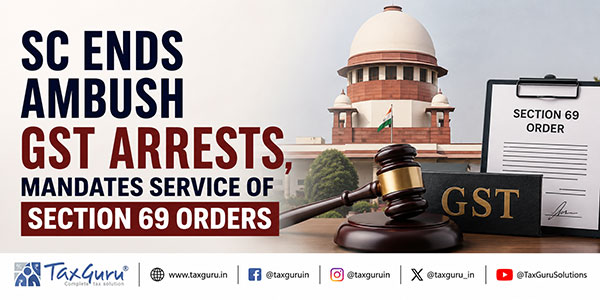
SC Ends Ambush GST Arrests, Mandates Service of Section 69 Orders

Reading Balance Sheets for GST Compliance and Reconciliation

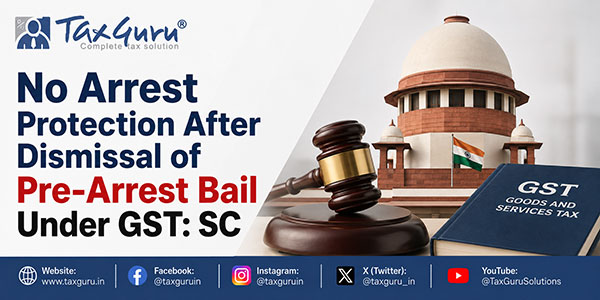
No Arrest Protection After Dismissal of Pre-Arrest Bail Under GST: SC

GST Refund Interest Automatic, Telangana HC Rejects CA/CMA Certification
GST Cancellation and Revocation: Complete Guide
Articles on TaxGuru provide practical analysis, commentary and explanations across taxation, finance, corporate and business laws. This category brings together articles on Income Tax, GST, Company Law, Corporate Law, Customs, DGFT, Excise, Service Tax, FEMA/RBI, SEBI, finance and professional matters concerning CA, CS and CMA. Readers can explore contributions discussing statutory provisions, compliance requirements, regulatory changes, professional developments and practical issues affecting taxpayers and businesses. Chartered Accountants, Company Secretaries, Cost Accountants, advocates, tax professionals, businesses and taxpayers can use this archive to discover recent articles as well as useful earlier reference material published on TaxGuru.

