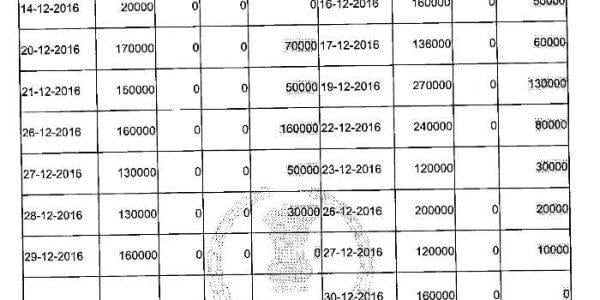
The Supreme Court affirmed that continuous non-filing of GSTR-3B despite issuing invoices and collecting GST amounts to wilful suppression under Section 74. The ruling rejects financial hardship as a defence against GST compliance failures.
The LMPC Importer License is mandatory for businesses importing pre-packaged goods into India. This guide explains the registration process, required documents, labeling rules, and penalties for non-compliance.
Bail under the BNSS is a mechanism balancing personal liberty with public safety and fair trial concerns. Courts consider factors such as evidence, severity of offence, and risk of absconding before granting relief.
The Delhi High Court ruled that Show Cause Notices issued on 30 November 2024 for FY 2020–21 were within limitation under Section 73(2) of the CGST Act. The Court treated December, January, and February as the relevant three calendar months before the final order date.
The Gujarat High Court ruled that Input Tax Credit cannot be claimed unless the supplier has actually paid tax to the Government under Section 16(2)(c) of the CGST Act. The Court held that ITC remains a conditional statutory benefit and refused to create a bona fide purchaser exception.
GSTN has implemented automated interest computation through the Tax Liability Break-up mechanism in GSTR-3B to identify delayed tax payments relating to earlier periods. The update shifts GST compliance from manual assessment to system-driven validation based on invoice dates, reporting periods, and payment timelines.
The Delhi High Court ruled that GST authorities can issue a single SCN covering multiple financial years under Sections 73 and 74 of the CGST Act. The Court held that the statutory language itself permits consolidated proceedings even in non-fraud classification disputes.
The High Court observed that filing GST returns is the statutory mechanism for disclosing tax liability. Failure to file returns while issuing taxable invoices was treated as concealment amounting to suppression of facts.
The article explains how equity mutual funds, PMS, and AIFs are taxed compared to Fixed Deposits under current income tax rules. It highlights that long-term equity investments continue to enjoy lower tax rates than interest income from FDs.
The Income Tax Act, 2025 replaces Sections 44AD, 44ADA, and 44AE with a unified Section 58 framework. While the structure has been simplified, presumptive taxation rates and turnover limits largely remain unchanged.