#AD
Utility bills arrive every month without fail. Most people pay them and move on, rarely thinking of them as a chance to earn cashback. The right cashback credit card can turn a fixed monthly expense into a small but reliable saving, as long as the card’s terms include utility payments.
Why utility bill payments are an underutilised reward opportunity
Most cardholders focus reward strategies on spending such as dining, travel, or retail. Utility payments are predictable in amount and frequency, which makes them well-suited to a cashback strategy.
Electricity bills in India vary by household consumption and state tariff structures. For a mid-income urban household, monthly bills usually represent a consistent volume of spendable transactions over the year.
A credit card that earns cashback on utility payments can return meaningful value on this basis, particularly when the cardholder pays the full outstanding balance before the due date, as interest charges are avoided.
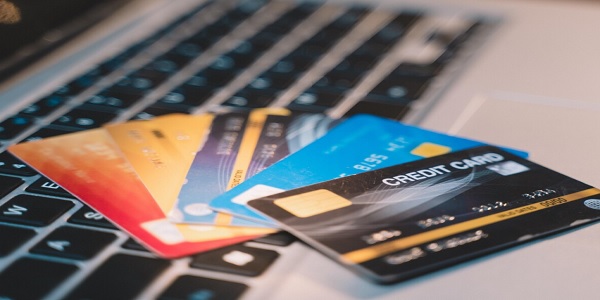
How to pay your electricity bill using a credit card
Most electricity boards and utility providers accept card-based payments through official portals or third-party bill payment platforms.
The process is simple:
1. Log in to your electricity provider’s official portal or any bill payment application.
2. Enter your consumer number or account ID to fetch the outstanding bill.
3. Select ‘Credit Card’ as the payment method.
4. Enter card details like expiry date, card number and CVV and confirm the transaction.
5. Save the payment receipt for your records.
What to check before selecting a card for utility payments
Not all cards treat utility transactions equally. Some issuers categorise electricity payments under ‘utilities’ and apply reduced or zero reward rates. Before selecting a card, verify the following.
- The reward or cashback rate applicable to utility transactions.
- Whether a monthly or quarterly cashback cap applies to the utility category.
- Any processing fees charged on utility payments, which may offset cashback earned.
- The minimum spend threshold required to unlock rewards in a given billing cycle.
Among banks that include utility payments within reward-eligible spend categories, IDFC FIRST Bank is one example that offers cashback credit card options structured around everyday bill payments, subject to applicable terms.
Structuring your bill payment to maximise returns
Cashback only makes sense if you clear your balance in full each month. Interest on outstanding balances can be significantly higher than any cashback earned, making full monthly repayment essential.
The best approach involves the following:
- Setting up an auto-debit for the full statement balance on or before the due date.
- Consolidating all utility payments (electricity, water, and gas) on a single card to meet spend thresholds.
- Enter your card number, expiry date, and CVV, then confirm the transaction.
- Reviewing your monthly statement to confirm that reward credits are posted accurately.
Understanding reward structures across card types
Flat-rate cashback cards apply a uniform percentage across all eligible categories, including utilities. Tiered cards offer higher rates on select categories, with utilities earning a base rate.
| Card type | Utility cashback rate | Key consideration |
|---|---|---|
| Flat-rate cashback | 1% to 1.5% | Predictable, category-agnostic |
| Tiered rewards | 0.5% to 1% on utilities | Higher rates may apply to other categories |
| Co-branded utility cards | Up to 2% | Usually tied to specific providers |
For instance, the Hello Cashback credit card from IDFC FIRST Bank earns 1% cashback on essential categories including utility payments, with total monthly cashback capped at ₹1,500 across all categories.
Common mistakes to avoid when paying utility bills by card
Even with a well-chosen card, a few errors can reduce or eliminate cashback gains.
A common oversight is ignoring convenience fees. Some platforms levy a charge of 0.5% to 1% on card-based utility transactions, which directly offsets the cashback rate.
Exceeding monthly rewards caps is another mistake. Most cards have strict limits on how much cashback can be earned on utilities per month. Any spending beyond that limit earns zero rewards.
Conclusion
A cashback credit card used strategically for utility payments can convert a fixed household expense into measurable monthly returns. The cashback rate is only part of the picture. What also matters is how your card defines utility transactions, whether processing fees apply, and whether you clear the balance in full each month. When these conditions are met, a routine bill becomes a small but consistent source of savings.